
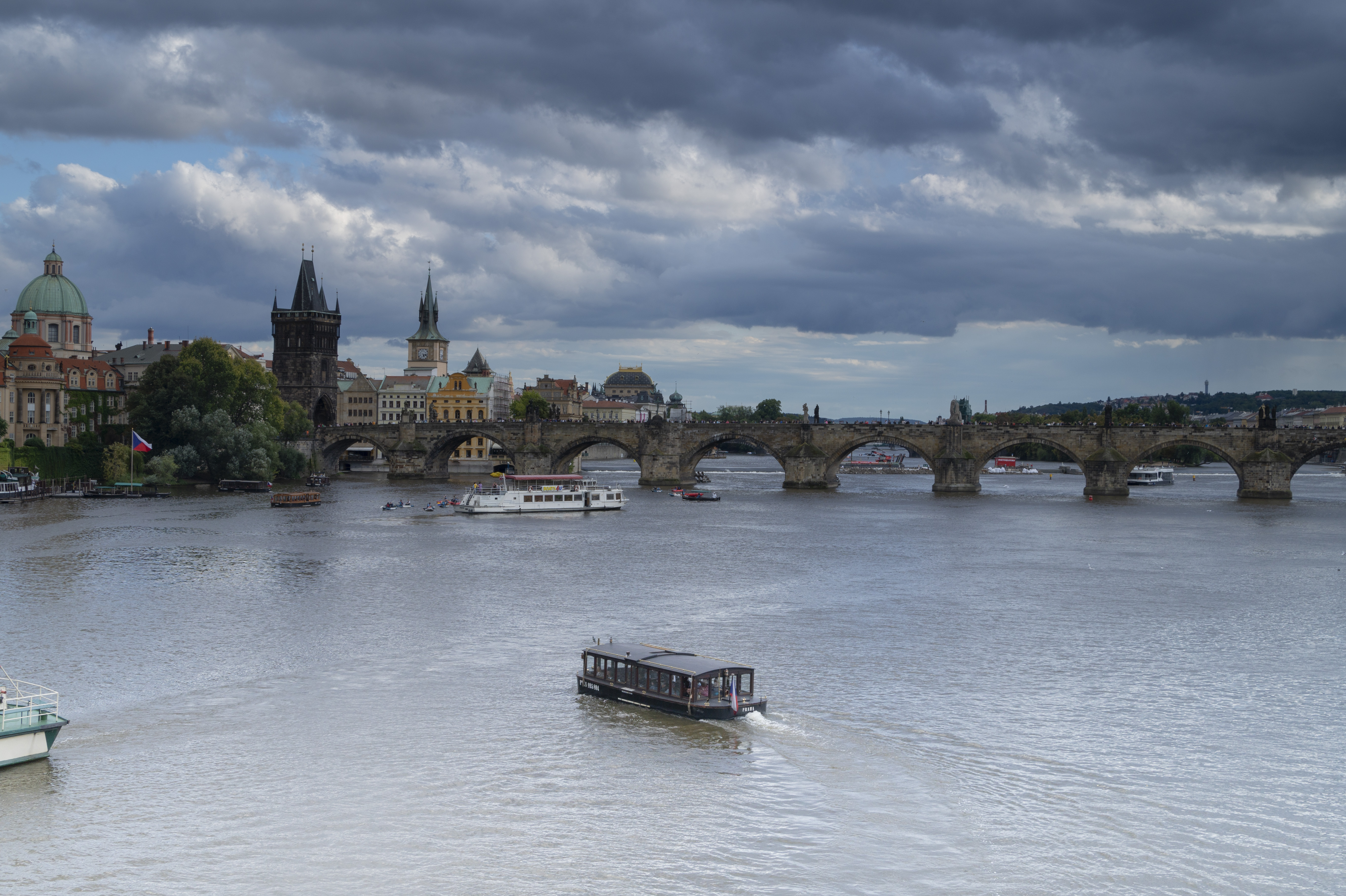
Prague That Stays Under Your Skin: How Not to Lose It in the Crowd
Small steps to long journey. Big trips don’t start with plans. They start with a single ticket bought on a Thursday evening.
Prague is a city I put off for years. Not because I didn’t want to go. But because it was too close. It always felt like “someday” was guaranteed — the train ticket costs less than lunch. But when something is “always nearby”, you never actually go.
One November evening I just opened the railway website, bought a ticket for the morning, threw a sweater and a nightshirt into a backpack — and at 9:00 I was walking out of Hlavní nádraží into the fog. And I realized I’d been postponing one of the most beautiful cities in Europe for years.
Here’s what I took home from those four days.
First impression: why people cry on Staroměstské náměstí
I’d read so much about Prague, seen a million photos. I thought there was nothing left to surprise me. Then I stepped out of a narrow side street onto Old Town Square — and literally stopped mid-step.
The square divides people into those who’ve seen it and those who haven’t. There’s no in-between. I’d read other people’s reviews where women wrote that they “tried not to cry so my husband wouldn’t think I’d lost it”. Now I understand.
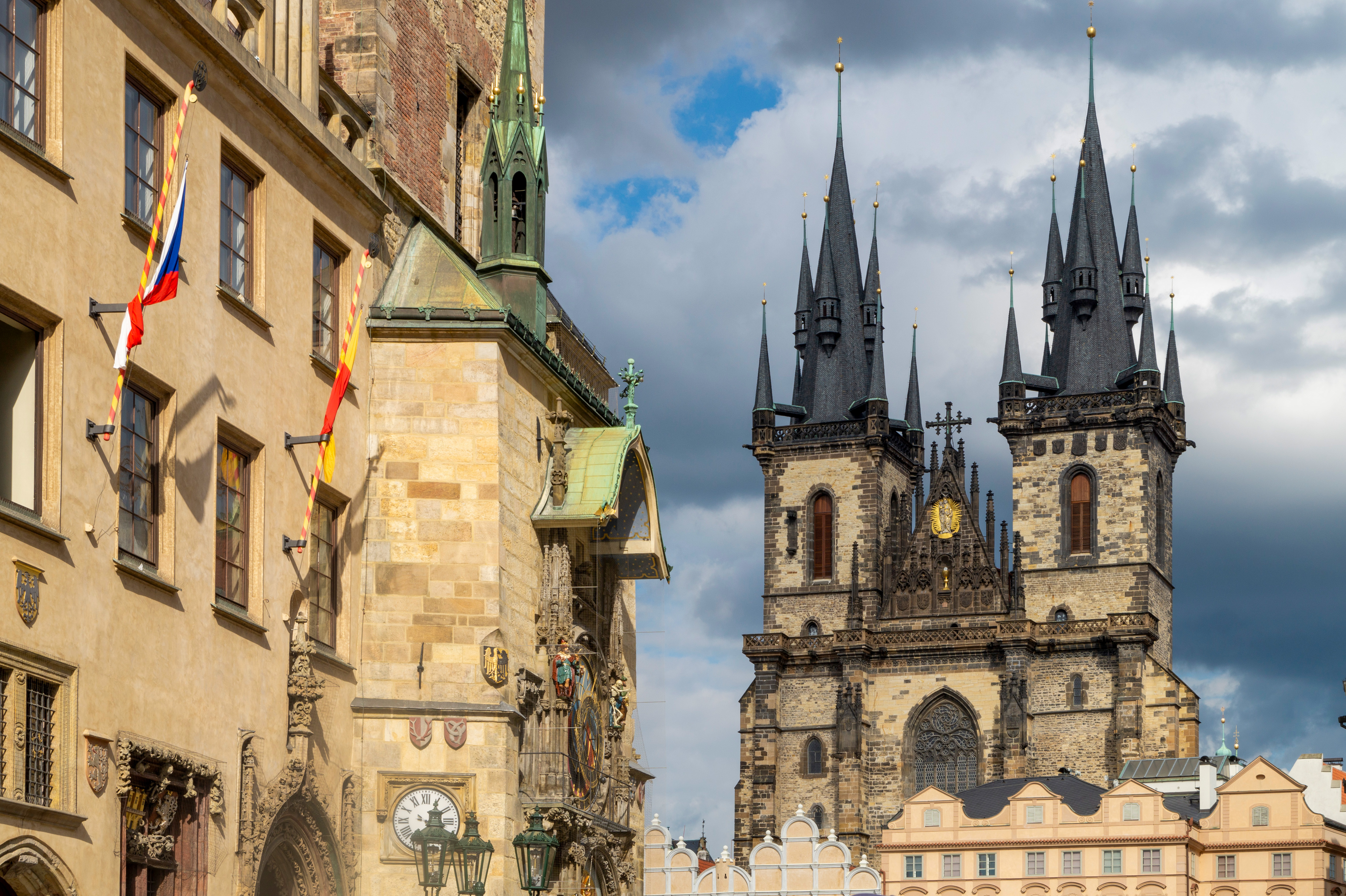
This is one of the most beautiful squares in Europe and no camera does it justice. The Týn Church with two gothic towers, the baroque Church of St. Nicholas, colorful houses around the perimeter, the Orloj — together they create a sense of unreality.
Hack: come to the square at 7am. Literally. The tour-bus groups appear after 9:00. Until then — you have one of the most beautiful squares in Europe practically to yourself. One coffee in the corner café, fog, empty cobbles, silence. It’s a different city.
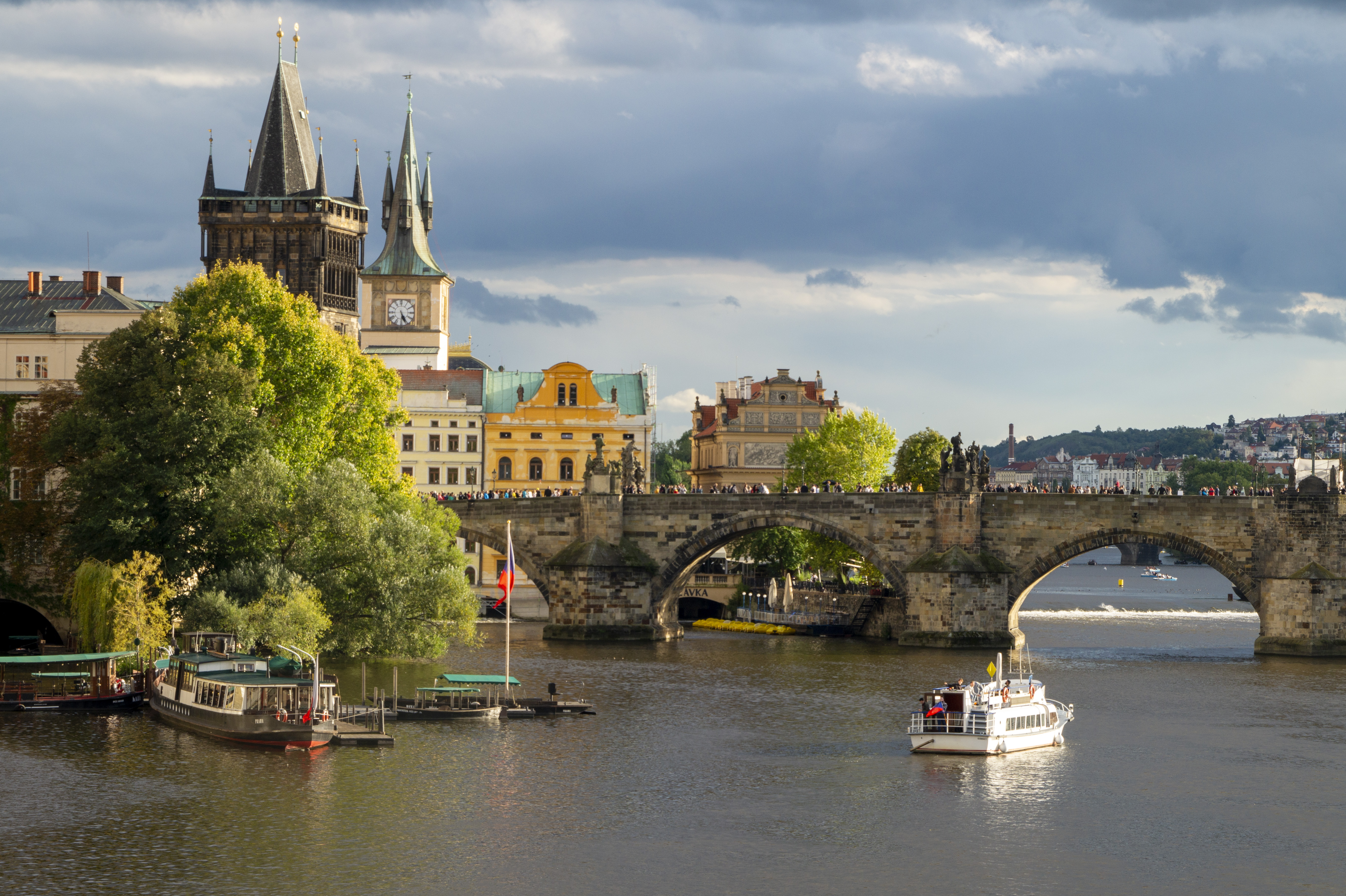
Charles Bridge: a must, but not at noon
Charles Bridge (Karlův most) is not just a bridge. It’s a 1357 gothic masterpiece with 30 baroque statues of saints. Built on the orders of King Charles IV, who was so obsessed with numerology that he laid the foundation stone at 5:31am on 9 July 1357 — a palindrome sequence: 1-3-5-7-9-7-5-3-1.
By day it’s the crossroads of every tourist in Europe. Selfie sticks, musicians, painters, a crowd that moves at the speed of the slowest person in front.
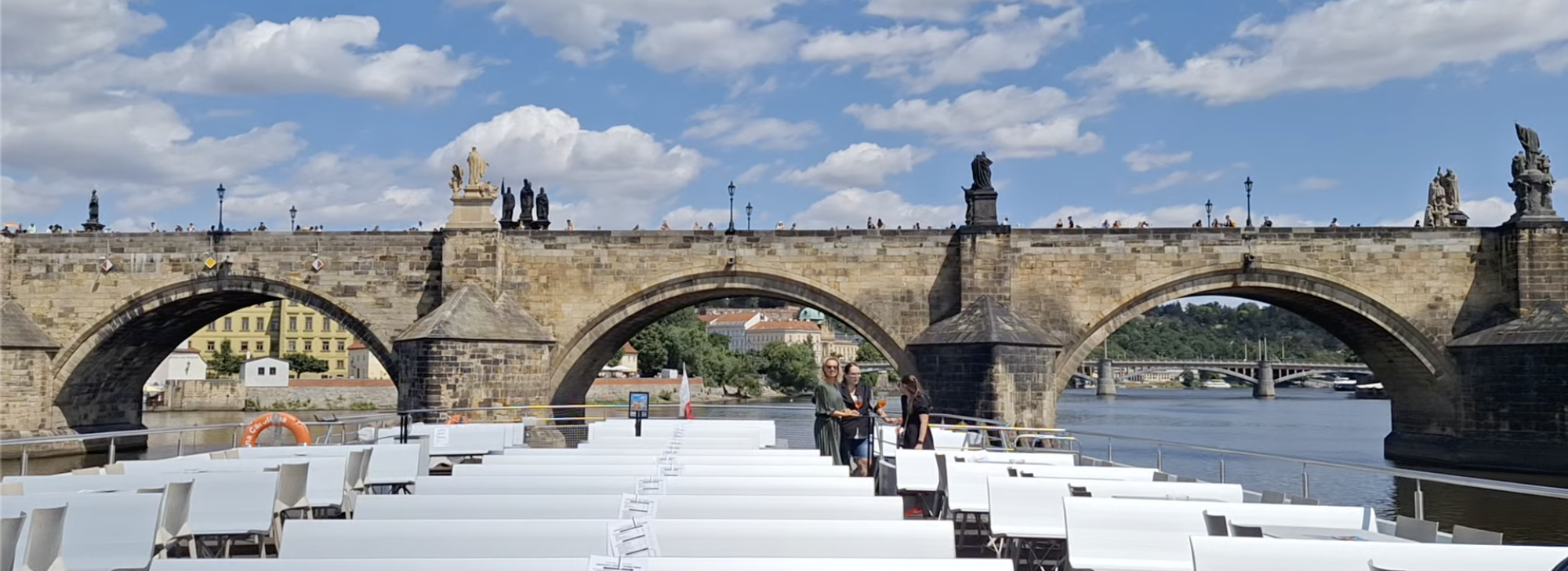
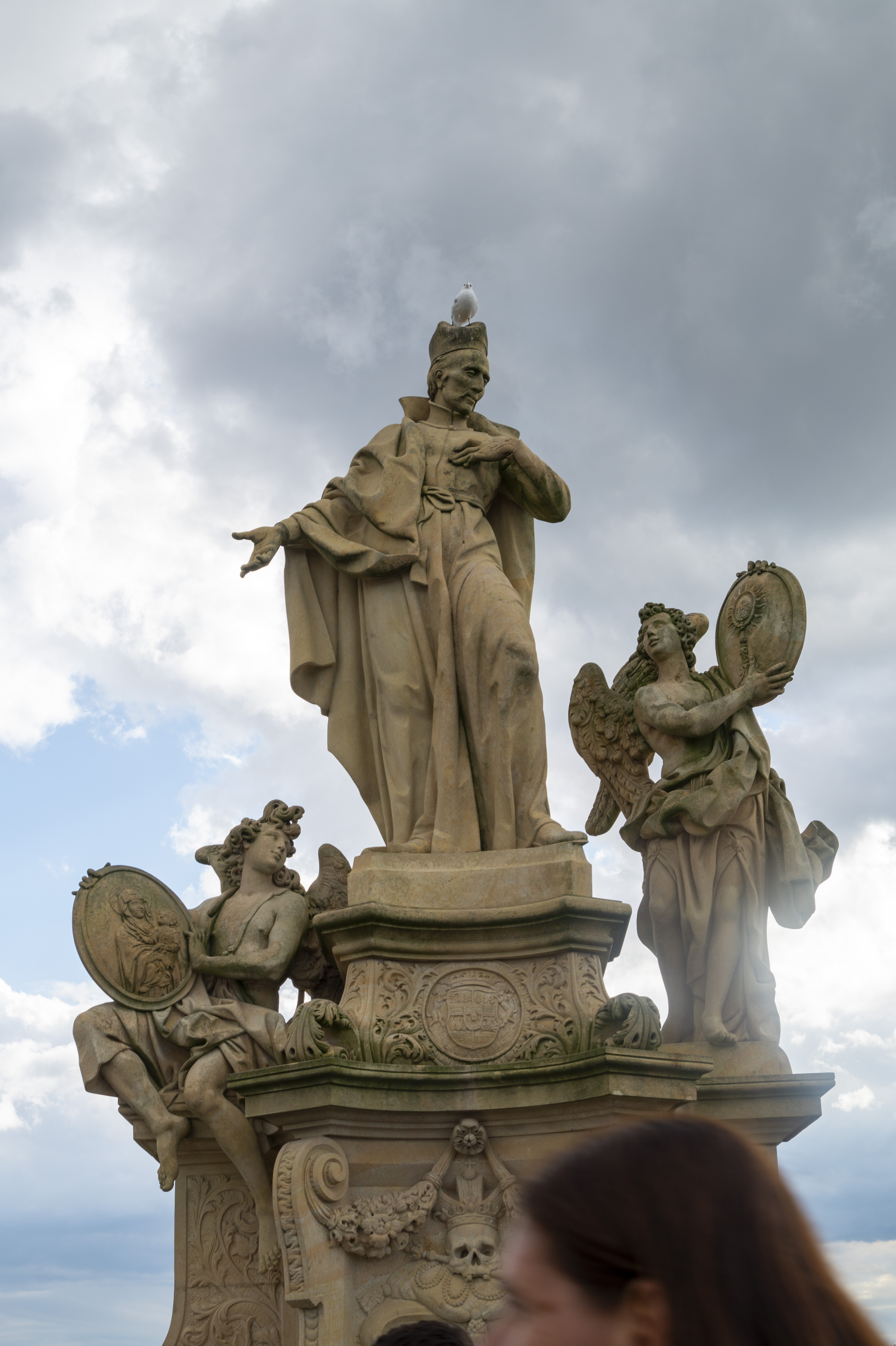
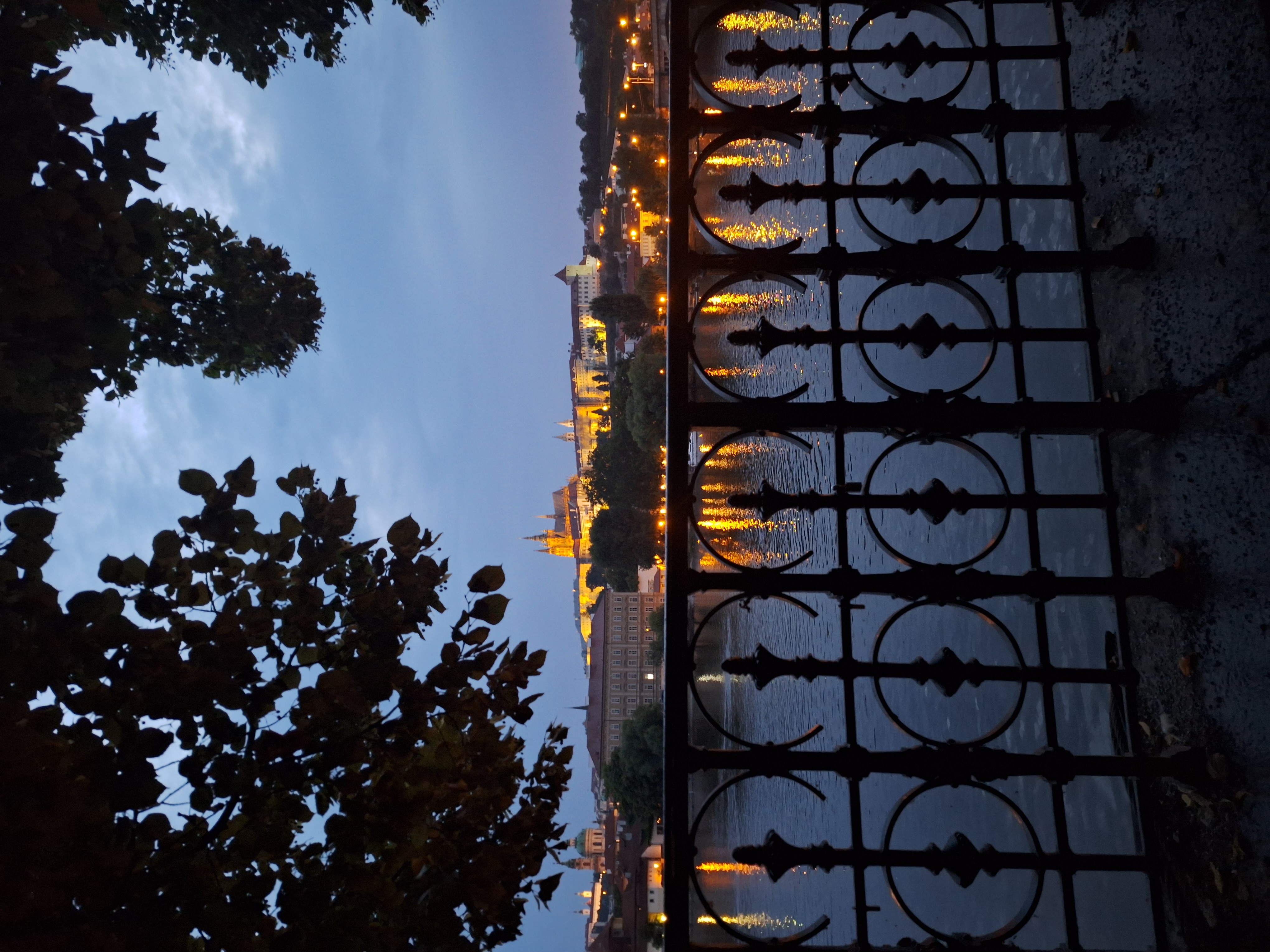
But at 6am or after 11pm — it’s a completely different bridge. Silence. Mist off the Vltava. Lamplight reflected in the water. Couples walking hand in hand. The statue of St. John of Nepomuk — if you rub the dog on the relief, you’ll come back to Prague. The bronze there is rubbed down to the metal — millions of people have tested this theory.
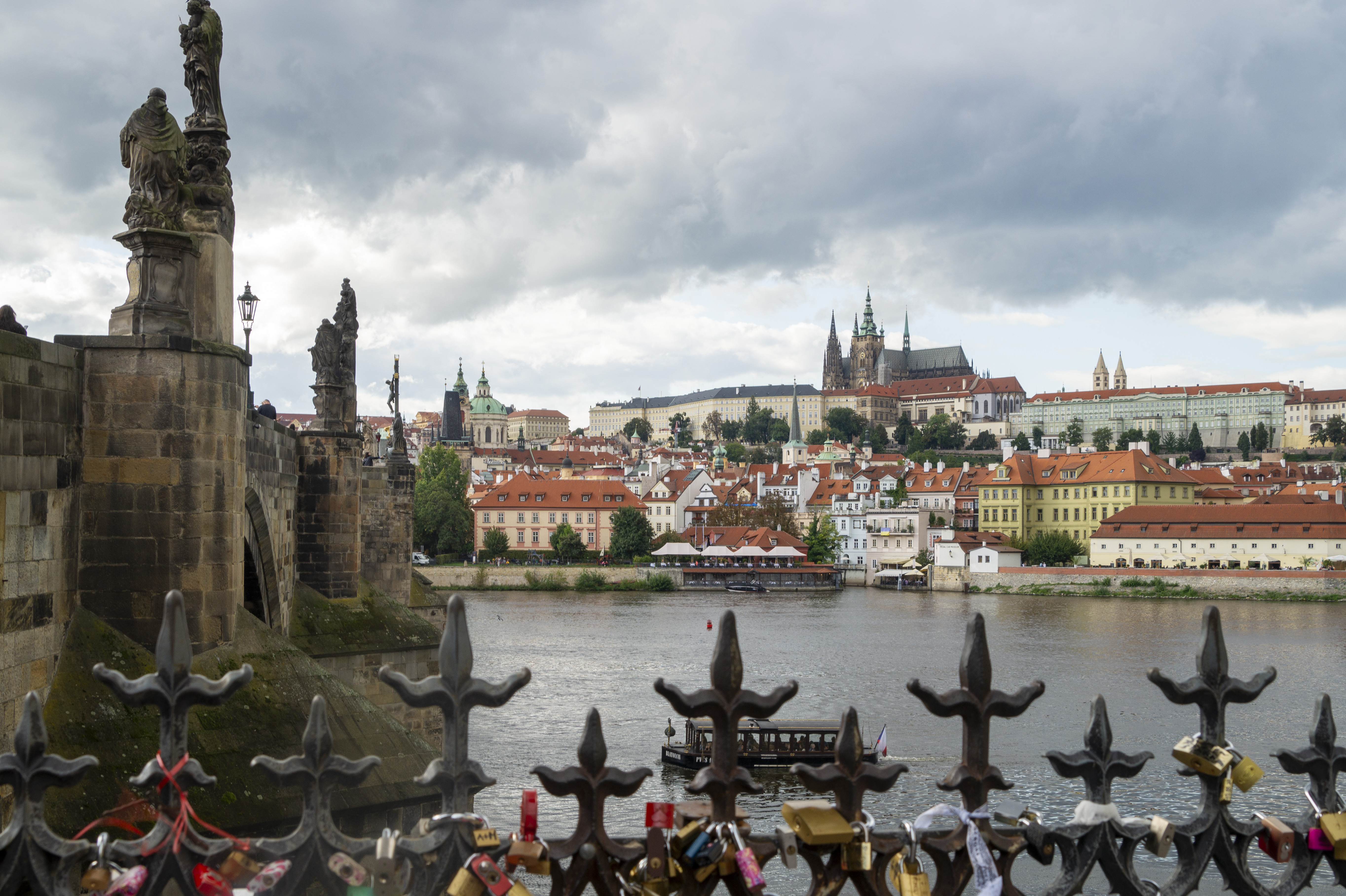
I crossed this bridge five times in four days. Every time — different light, different mood, different city.
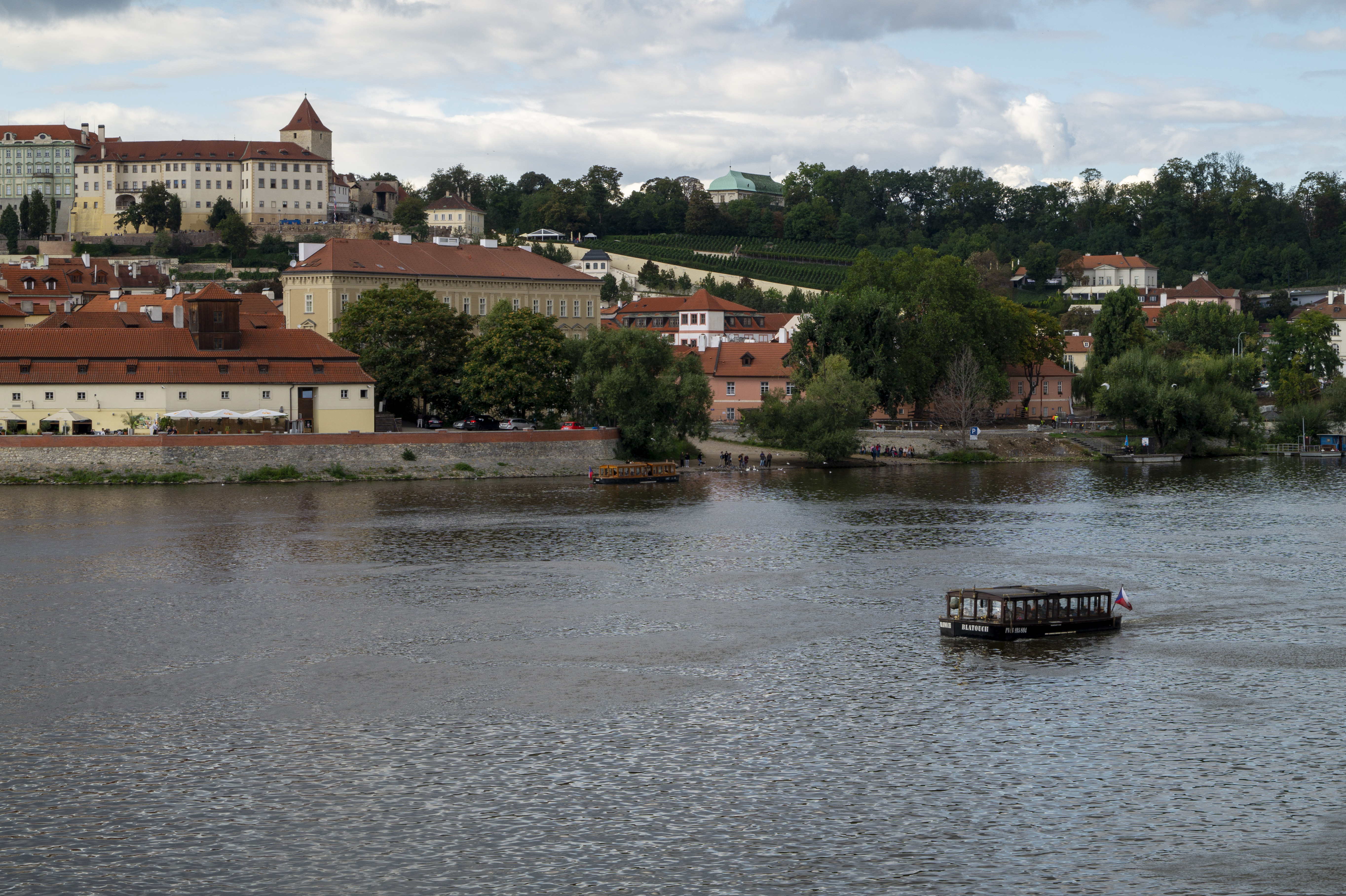
The Castle: largest in the world, and what to do with it
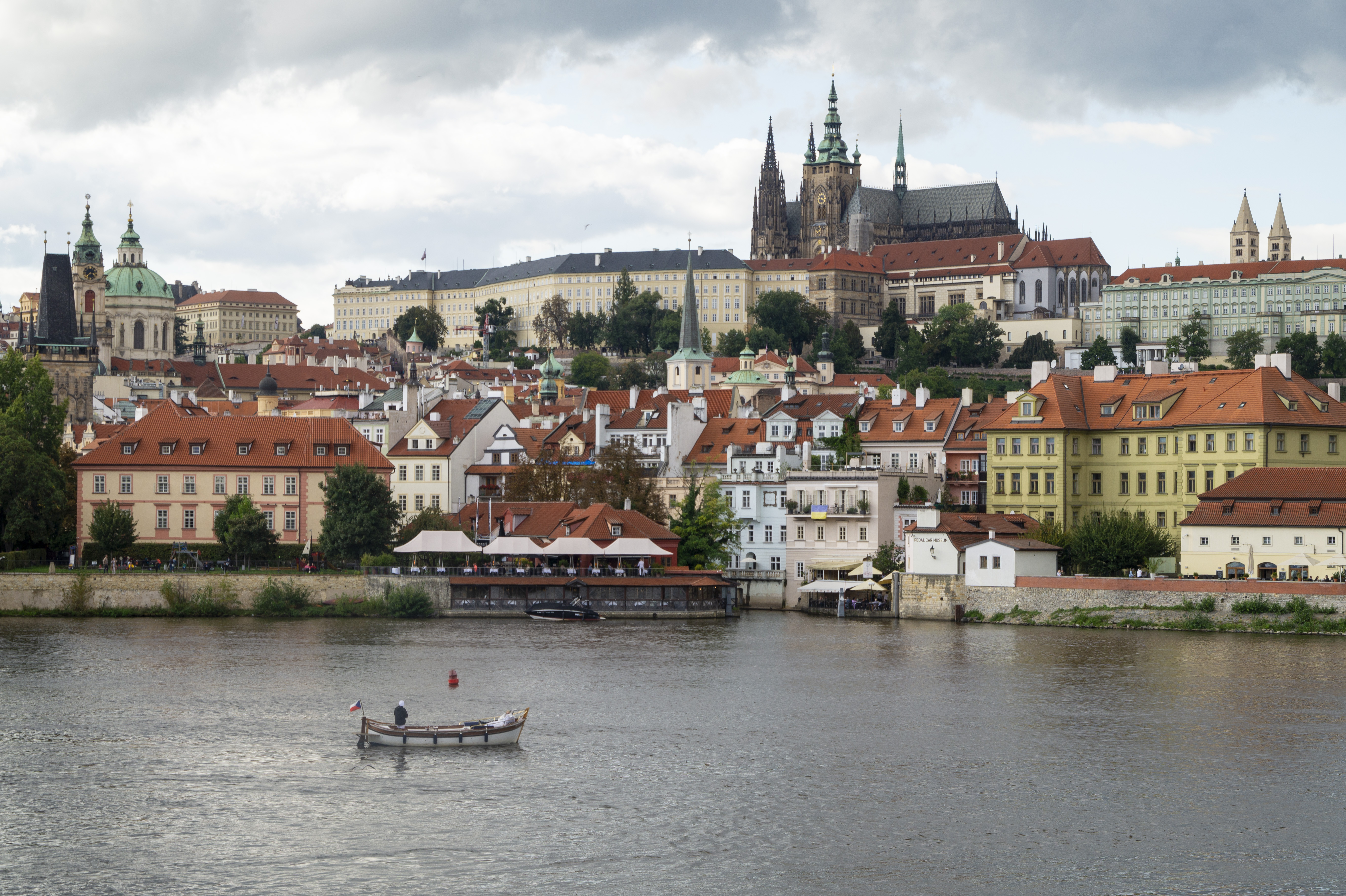
Prague Castle is not just a castle. It’s the largest active castle complex in the world (per the Guinness Book of Records) — 70,000 square meters. Effectively, a city above the city.
Must-see inside
St. Vitus Cathedral. A gothic miracle, built across 600 years (1344–1929). The stained-glass window in the New Archbishop’s Chapel is by Alfons Mucha — the great Art Nouveau painter — and it’s one of the most beautiful pieces of his life. Entry to the cathedral is free, but you need a separate ticket to walk past the entrance area into the nave with the Mucha window.
Golden Lane (Zlatá ulička). A tiny medieval street with little colored cottages where the alchemists of Emperor Rudolf II once lived, and later — Franz Kafka in house №22 (1916–1917). Today they’re souvenir shops, but if you come in the evening after closing — empty and magical again.
Old Royal Palace and Vladislav Hall. A vast late-gothic hall with a fantastic ribbed vault, where Czech kings were crowned and where the Czech president is still inaugurated.
Hacks
- Entry to the castle grounds is free. You only pay for entry to the specific buildings (combined ticket — 250 Kč, ~€10).
- Walk up via Nerudova street from Malostranská náměstí — it’s the prettiest approach, not the straight tram-stop walk.
- The Changing of the Guard at 12:00 is impressive but the crowd is huge. Watch any other hourly changing instead (every full hour).
- After the castle, descend via Nerudova → Mostecká, then across the bridge — the classic loop, but it works.
Wallenstein Garden: Prague’s best-kept free secret
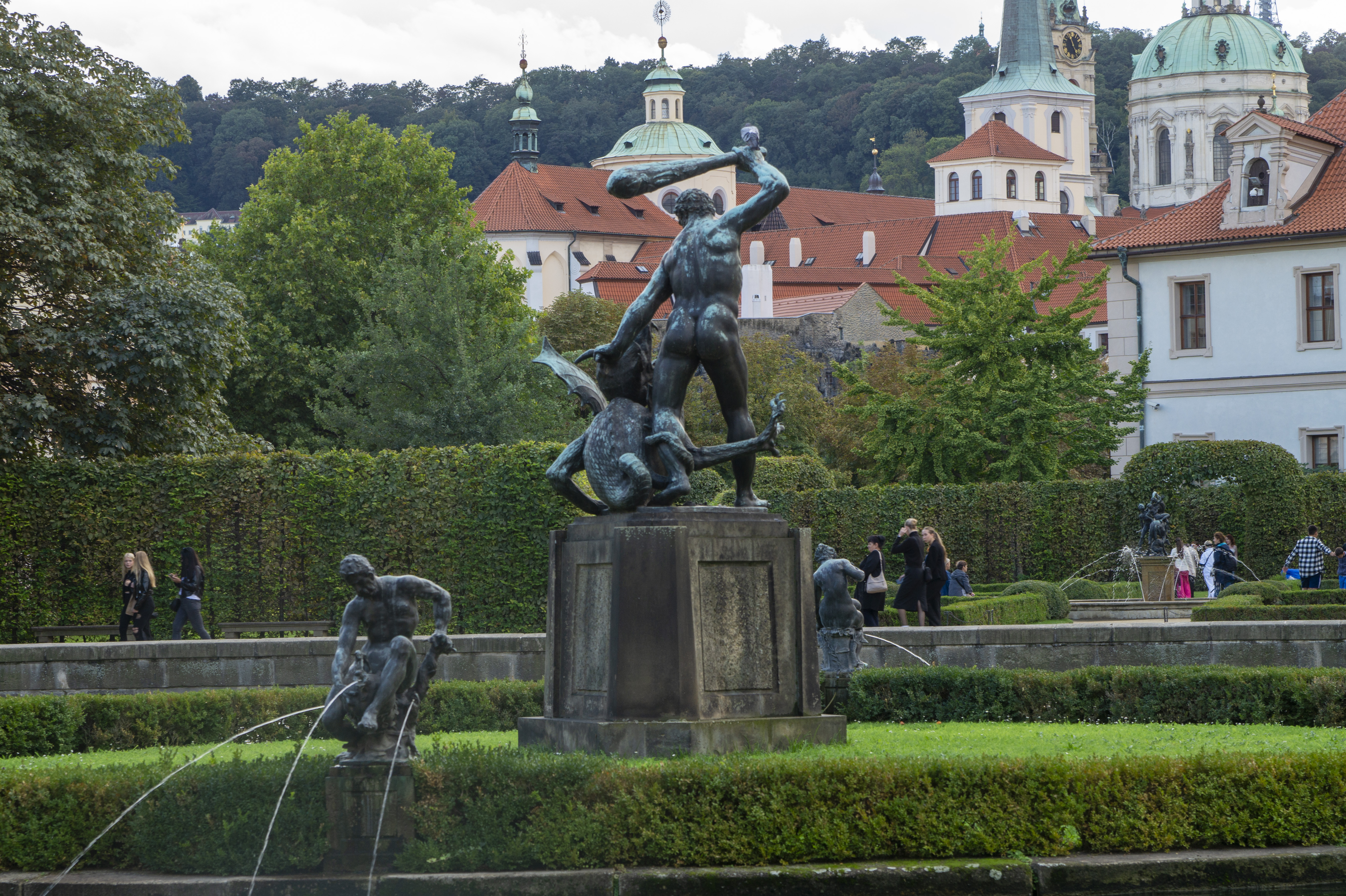
Most tourists never find it, and that’s a shame. Wallenstein Garden sits behind a high wall on the Malá Strana side, just below the Castle, attached to the palace of Albrecht von Wallenstein — the 17th-century mercenary general who built the largest baroque palace in Prague to outshine the Habsburgs. (Wallenstein is buried under one of the side chapels; the Habsburgs eventually had him assassinated in 1634.)
The palace today is the seat of the Czech Senate, and the garden is open to the public, free, every day from April to October. Inside: a long parterre, an artificial grotto wall covered in stalactites and dripstone, a large pond with carp, and peacocks roaming the lawns. The acoustics are extraordinary — concerts are held there in summer.
Entry: through the gate on Letenská 10. Closed in winter.
Vinohrady and Žižkov: districts I won’t let go of
If you want to see the real Prague where actual people live — leave the Old Town and head to Vinohrady or Žižkov.
Vinohrady
My favorite district. Wide streets with late-19th-century Art Nouveau apartment houses. Quiet parks. Restaurants where no one speaks English and prices are half what they are downtown. Pražačka is the perfect morning café. Lokál U Bílé kuželky — traditional Czech food where the locals actually go.
Náměstí Míru with the neo-gothic Church of St. Ludmila — one of the prettiest small squares in Europe. Before Christmas, my favorite Prague market is held here — no tourists, just local families.
Žižkov
Bohemian, slightly punk district with the highest density of pubs in Europe (more than Ireland, locals claim). It also hosts a strange thing — the Žižkov TV Tower with David Černý’s “Babies” installation: black baby figures crawling up the tower. Unforgettably eerie.
Climb Vítkov Hill with the largest equestrian statue in the world — Jan Žižka, the Hussite warlord. From up there: a view of Prague that’s in no guidebook.
Wenceslas Square and the city’s other heart
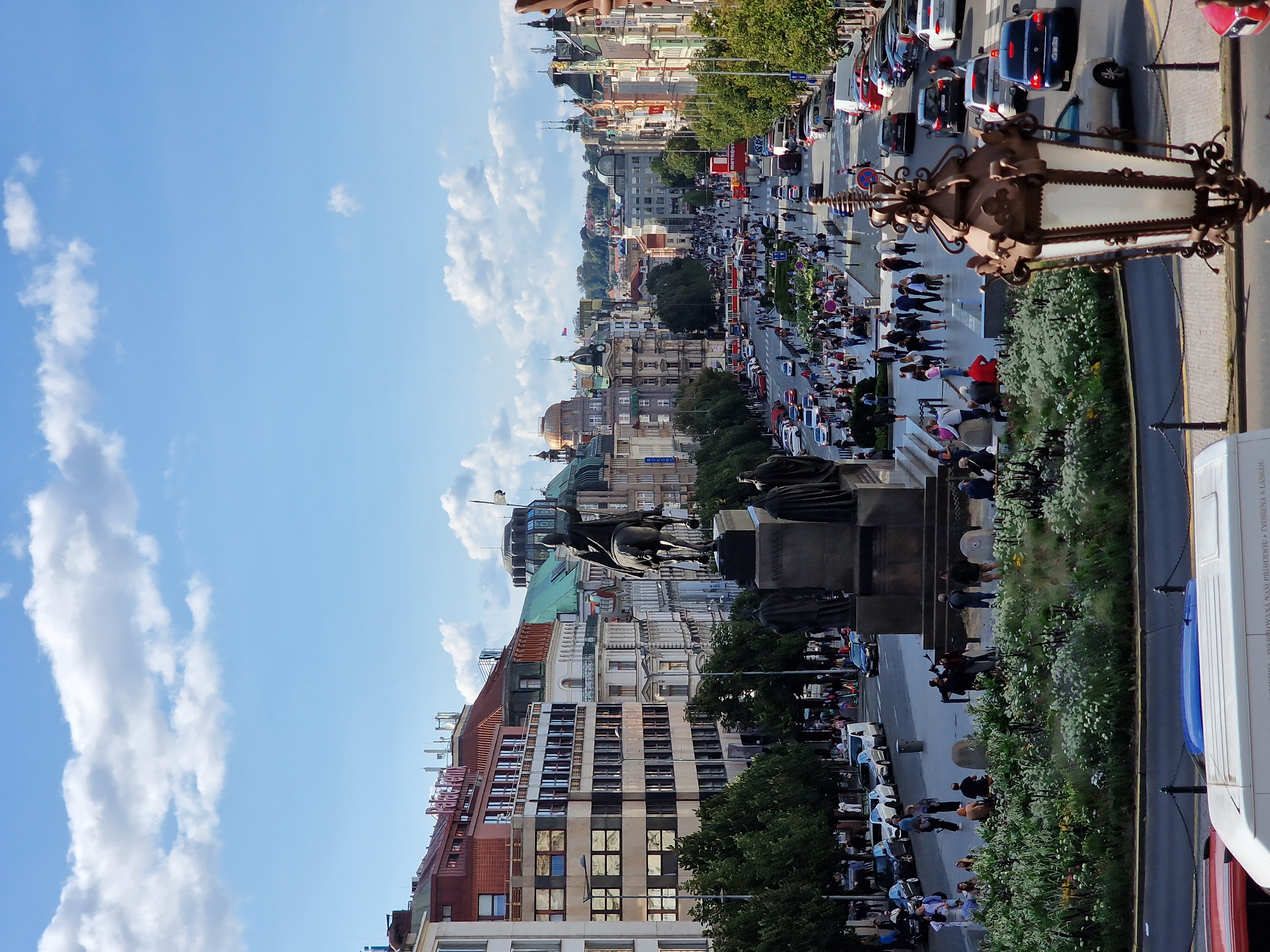
If Old Town Square is the Prague of fairy tales, Wenceslas Square is the Prague of the 20th century. It was designed in the 14th century as a horse market, became the city’s commercial spine in the 19th, and the stage for almost every major Czech political moment of the 20th — the 1918 declaration of independence, the 1968 Soviet invasion, the 1969 Jan Palach self-immolation, and the 1989 Velvet Revolution.
Today: hotels, banks, and the National Museum at the top. The Wenceslas statue at the foot of the museum is a famous meeting spot — “I’ll meet you at the horse” is what Praguers say.
David Černý: Prague’s strangest sculptor
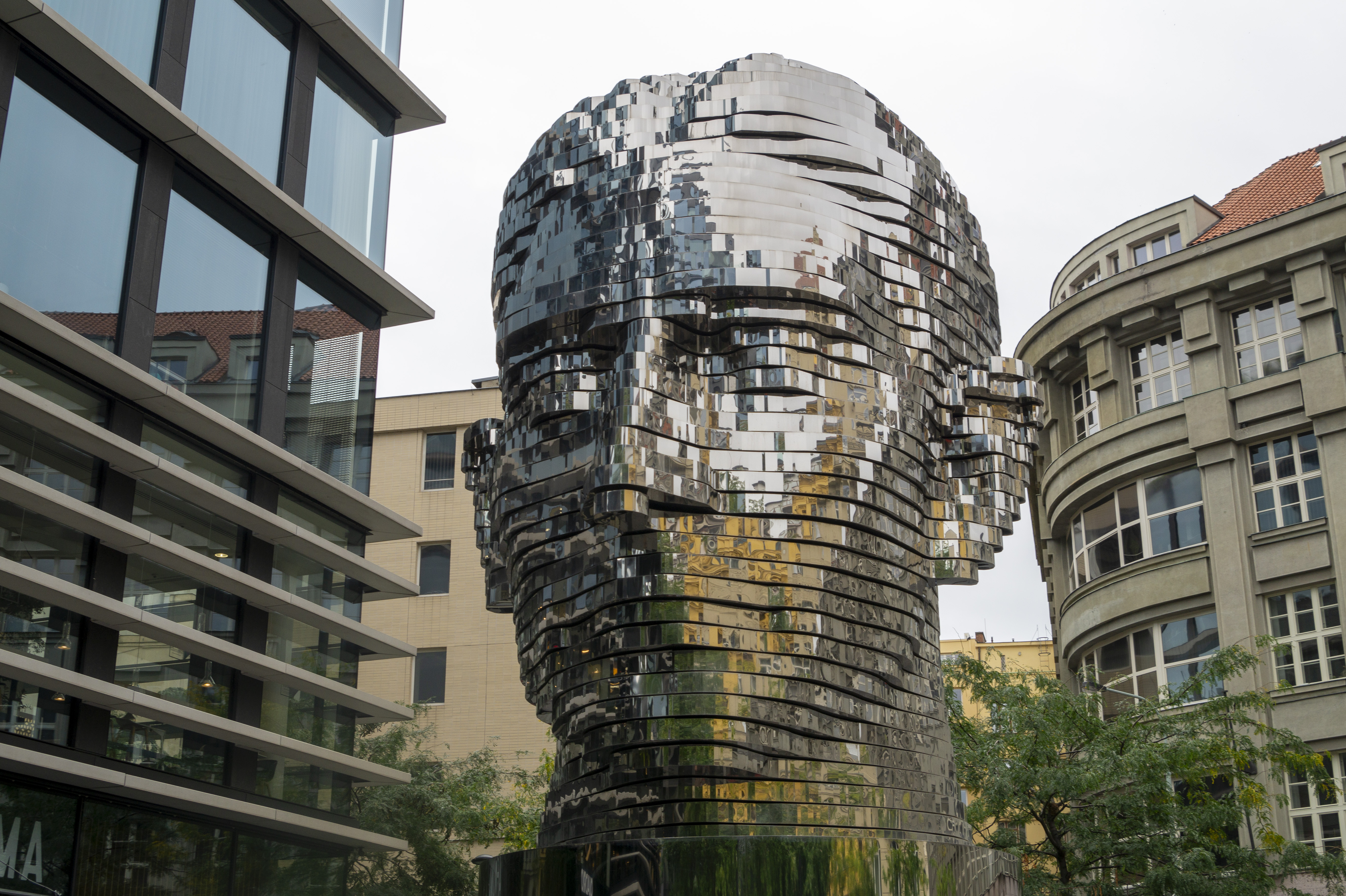
Half of contemporary Prague is by David Černý — the Czech sculptor whose work is funny, savage and impossible to ignore. Look out for:
- The Kafka Head (above) — Quadrio centre, Národní třída.
- Babies on the TV Tower — Žižkov.
- Pissing Statues — two bronze men peeing into a Czech-Republic-shaped pool, in front of the Kafka Museum in Malá Strana. They actually pee, and the streams write quotes from Czech literature.
- Hanging Man — a sculpture of Sigmund Freud dangling by one hand from a beam, hanging high above Husova street in the Old Town. Tourists routinely call the police thinking someone is about to jump.
- Horse in the Lucerna Passage off Wenceslas Square — a parody of the Wenceslas statue, with the saint riding an upside-down dead horse.
Make a half-day “David Černý walk” — it’s the most fun you can have with a map of Prague.
Old Town in the details: streets, churches, palaces
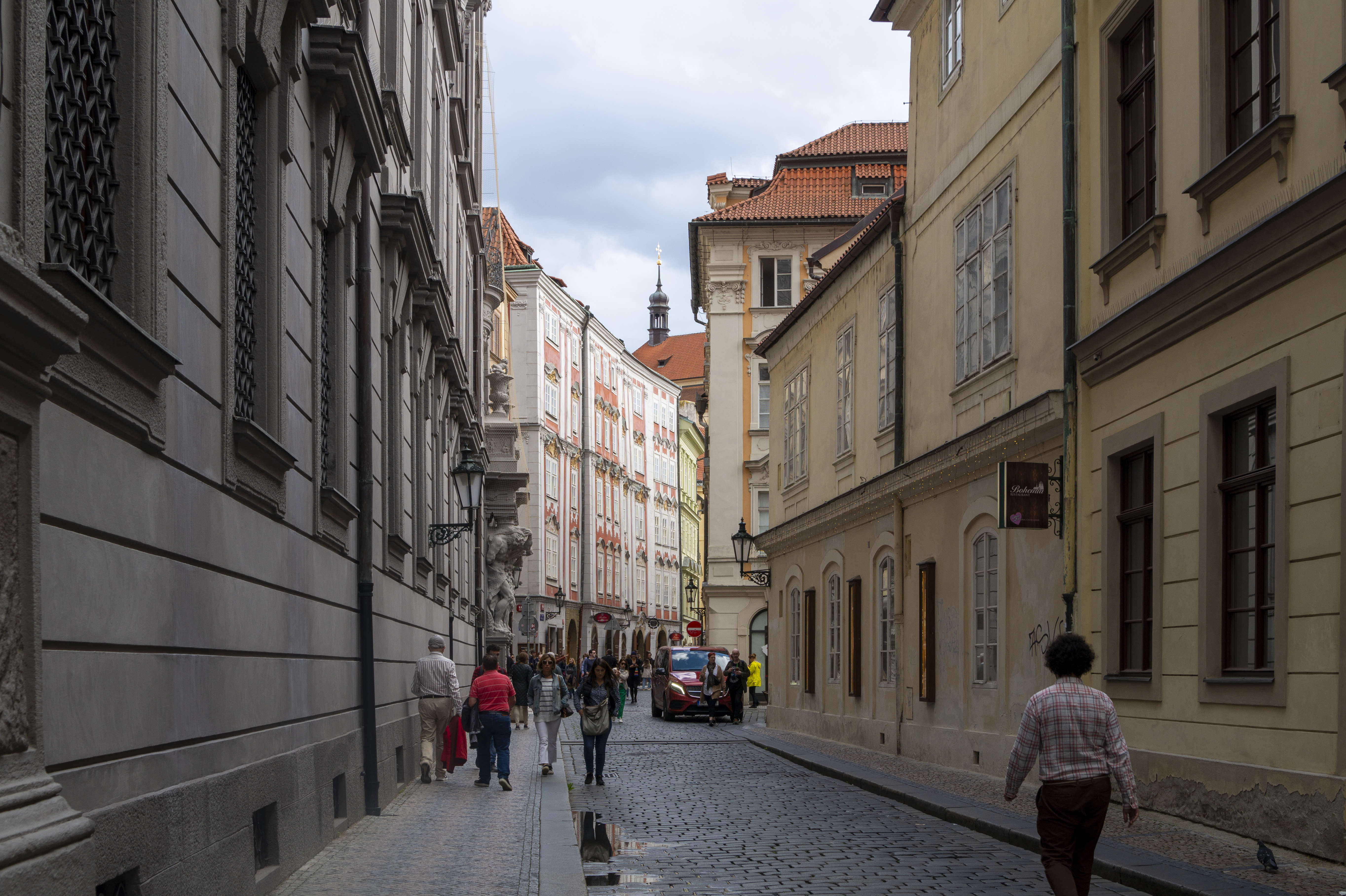
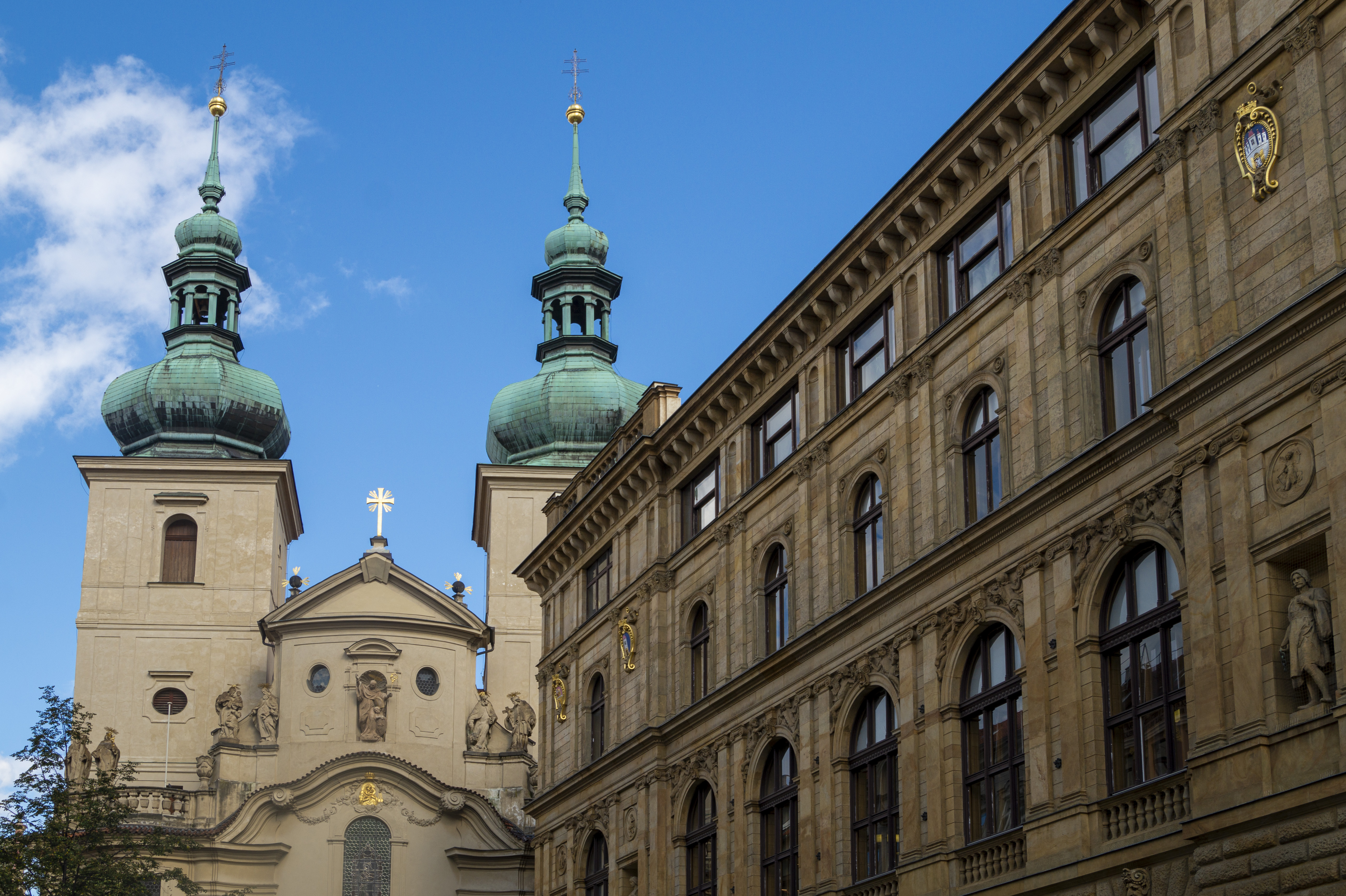
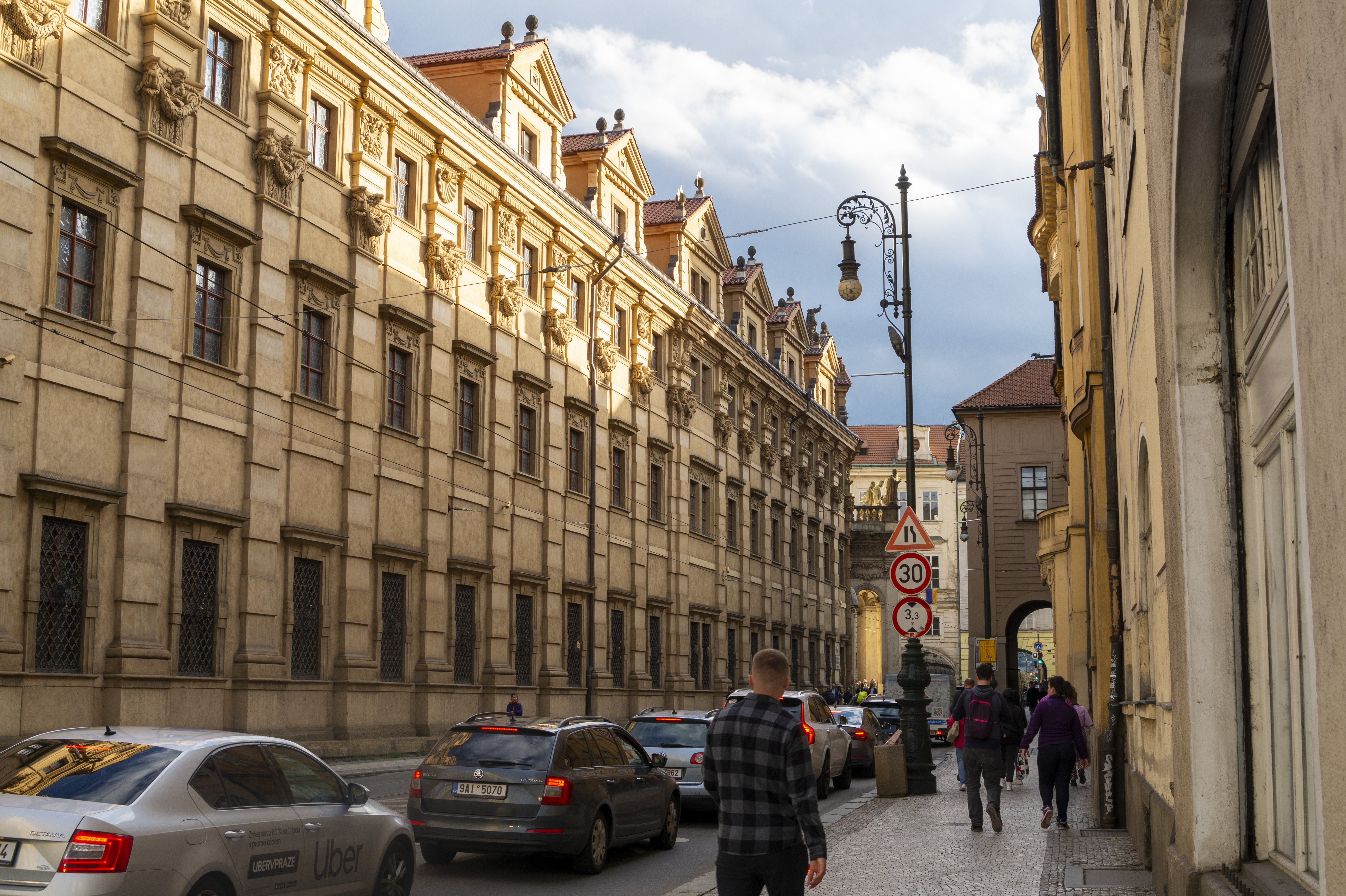
The Old Town isn’t just the famous squares. The most beautiful Prague is in the gaps between the famous spots.
Where to eat: real restaurants and what to order
The piece I wish someone had given me before my first trip. Where to actually go, and what to order when you sit down.
🍽 Lokál Dlouhááá — Old Town
The flagship of the Lokál chain. Looks like a 1970s socialist beer hall but is actually a curated, modern operation with one of the best tank-fresh Pilsner Urquells in the city.
Order: Svíčková na smetaně (the national dish — braised beef in a creamy root-vegetable sauce, served with bread dumplings, cranberry jam and a dollop of whipped cream). Add a Plzeň 12° on tap.
🦌 DEER Restaurant — Old Town (Týnská 19)
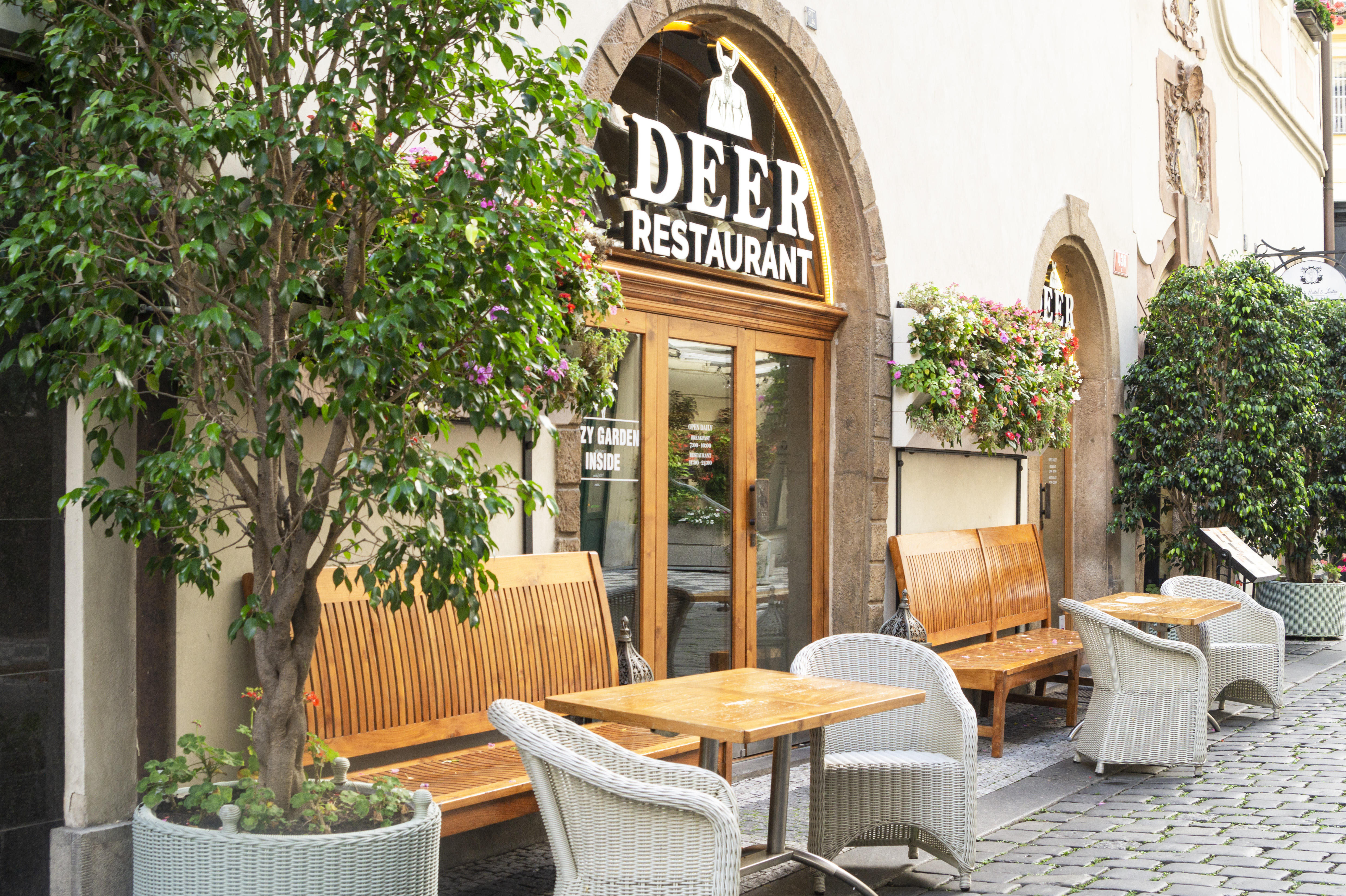
A small, modern restaurant a minute from Old Town Square that does modern Czech game cuisine — venison, wild boar, duck — but in a refined, not heavy way. Quiet courtyard.
Order: Venison medallions with cranberry sauce and potato dumplings, or the duck confit with red cabbage. Czech wine from Moravia by the glass — try a Pálava white.
👑 Česká Kuchyně Havelská Koruna — Old Town
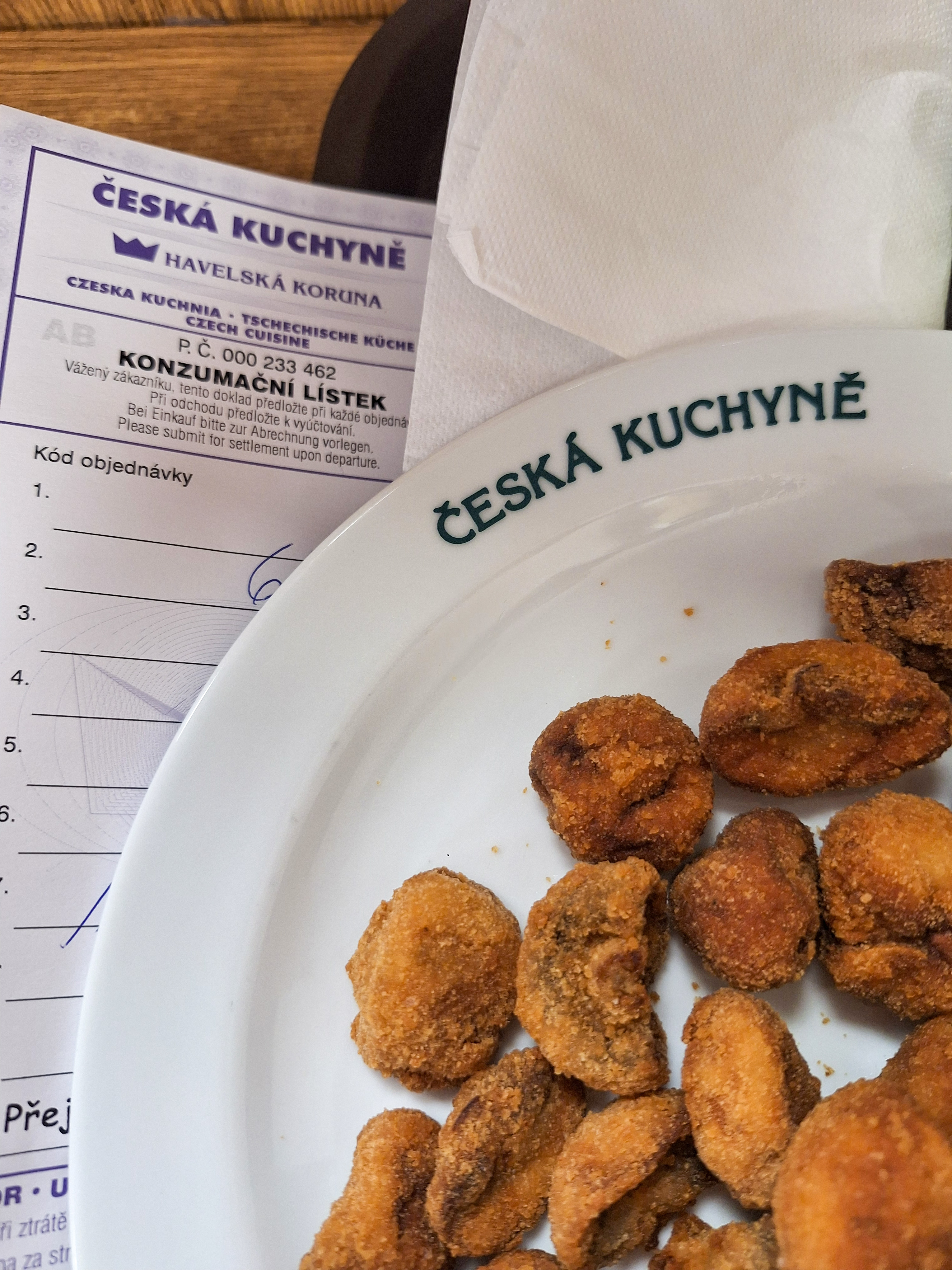
The classic canteen-style Czech experience right next to Old Town Square. Walk in, grab a paper “konzumační lístek”, point at what you want, eat fast, pay at the door. Mains 130–250 Kč.
Order: Smažený sýr s tatarskou omáčkou a hranolkami (fried cheese with tartar and fries — Czech soul food), or guláš s knedlíkem. Don’t expect ambiance — expect to eat like a local on a lunch break.
🐅 U Zlatého Tygra — Old Town (Husova 17)
The legendary “Golden Tiger” pub, open since 1701. Bohumil Hrabal’s writing den. Václav Havel brought Bill Clinton here in 1994. You can’t book — show up before 5pm or after 9pm and pray.
Order: Pilsner Urquell on tap (50 Kč/half-litre, ~€2) and a small plate of utopenec (pickled sausage) or nakládaný hermelín (marinated camembert). Don’t go for a full dinner — go for the experience.
🍺 U Fleků — New Town (Křemencova 11)
The oldest brewery-restaurant in Prague (since 1499). Brews its own dark Flekovský ležák lager — 13°, dense and malty — to a 16th-century recipe. Touristy, but worth it once.
Order: their dark beer (it’ll be put in front of you whether you ask or not — see “rules” below), vepřo-knedlo-zelo (roast pork, dumplings, sauerkraut — the holy Czech trinity), and medovník (honey cake) for dessert.
🌳 Lokál U Bílé kuželky — Malá Strana
The Malá Strana branch of Lokál. Quieter than Dlouhá, lovely tree-lined street, locals after work. Same tank Pilsner. Walk over after the Castle.
Order: Tatarák (steak tartare) with toasted bread and raw garlic to rub on it — a Czech pub classic that’s much better than it sounds. Or řízek (Czech wiener schnitzel) with potato salad.
🍻 Vinohradský pivovar — Vinohrady
A working microbrewery with a restaurant attached, in the heart of the Vinohrady district. Their 11° pale lager and 13° amber are excellent and brewed 30 metres from your table.
Order: the brewer’s pale lager, guláš v chlebu (goulash served in a hollowed-out bread loaf), and one of their kolache desserts.
🍰 Café Savoy — Smíchov
A grand neo-renaissance café from 1893 with one of the most beautiful ceilings in Prague. Brunch destination, but go at 10am to avoid the queue.
Order: the Savoy breakfast (eggs, bacon, fresh sourdough) and a větrník (Czech profiterole with caramel) with espresso.
🌃 Manifesto Market Anděl / Náplavka food trucks — summer only
Open from May to September. Outdoor food markets along the Vltava embankment with 20+ stalls — Vietnamese pho, Czech BBQ, craft beer, natural wine. Sit by the river, watch the swans.
Czech food, expanded
A breakdown of the dishes you should know before sitting down.
Mains
- Svíčková na smetaně — the national dish #1. Braised beef in a creamy root-vegetable sauce, with bread or potato dumplings, cranberry jam and whipped cream. Sounds insane — tastes like love.
- Vepřo-knedlo-zelo — roast pork, dumplings, sauerkraut. The classic Czech trinity. Beer mandatory.
- Guláš — Czech goulash, thicker and beerier than Hungarian. Often served with dumplings or in a bread bowl (v chlebu).
- Smažený sýr — fried cheese in breadcrumbs with tartar sauce. Czech fast food. From street kiosks: 80 Kč.
- Koleno — pork knuckle roasted to a crispy crust. For the strong-hearted. One knuckle feeds two.
- Řízek — Czech wiener schnitzel, usually pork or chicken, with potato salad on the side.
Pub snacks (to a beer)
- Utopenec — “drowned” pickled sausage, marinated in onion, paprika and vinegar. Served with dark bread and mustard. Classic pub starter.
- Nakládaný hermelín — Czech camembert marinated in oil with garlic, onion, and chili. Spread on dark bread.
- Tatarák — beef tartare, served with toasted bread and a clove of raw garlic to rub on the toast. Don’t skip the garlic. It’s the point.
- Bramboráky — fried potato pancakes with garlic and marjoram.
What is NOT Czech (even though they sell it everywhere)
Trdelník — the same chimney-cake dusted in sugar and cinnamon you see on every corner. It’s not a Czech dish. It comes from Slovakia or Hungary. Tourists think they’re eating an “authentic Prague dessert”. Czechs laugh. Try it — it’s tasty. But know it’s marketing, not tradition.
Real Czech desserts
- Větrník — a profiterole with caramel and vanilla cream.
- Kremrole — flaky pastry tubes with whipped cream.
- Ovocné knedlíky — sweet dumplings with fruit (plums, strawberries), buttered and sugared.
- Medovník — honey cake, twelve layers, sold in proper bakeries.
- Štrúdl (Czech strudel) — apple, sometimes with poppy seed or cherry.
Beer: it’s not a drink, it’s a currency
The Czechs are the world champions of per-capita beer consumption. 180 litres per person per year. Twice as much as the Germans.
It’s not random. Czech Pilsner is the style — born here in 1842 in Plzeň, the world’s first pale pasteurized lager. Every modern lager descends from Pilsner Urquell.
Where to drink in Prague
- U Zlatého Tygra — see restaurant section.
- U Fleků — see restaurant section.
- Lokál Dlouhááá — see restaurant section.
- Vinohradský pivovar — see restaurant section.
- Pivovarský klub — 240+ beers from across the country, near Florenc. The beer-nerd headquarters.
Drinking rules in Prague
- Czech beer is poured with a foamy mlíko head. A thick 3–4 cm foam is a sign of correct pouring, not a short pour. Don’t complain.
- Beers are ordered automatically in sequence. As soon as you finish your glass, the waiter brings another. If you don’t want one — put a beer mat on top of the glass. That’s the “no thanks, I’m done” signal.
- “Na zdraví!” — “Cheers”. Always look the other person in the eyes when you clink. Otherwise, Czechs say, seven years of bad sex.
What surprised me
Czechs don’t drink coffee in the morning the way we do. They drink it sitting in a café, slowly, with a pastry, at any time of day. Espresso-on-the-go is not a Czech style.
The tram is the best decision in Prague. 26 lines, a 30-minute ticket costs 30 Kč (€1.20), a 24-hour pass 120 Kč (€5). Tram 22 (“the tourist tram”) rolls past nearly every major sight in 40 minutes for the same single-ride fare.
Prague has a serious graffiti problem. It surprises almost everyone. Right next to perfect baroque façades — walls covered in tags. The municipality has been losing this fight for decades.
Czechs don’t greet strangers. At all. They don’t smile in shops, they don’t say “good day” to passersby. It’s not rudeness — it’s the Czech style. But once a Czech becomes your friend, it’s for life.
“Dobrý den” — magic words. Said correctly, it opens doors. Treat it as your password to Prague.
The Castle is visible everywhere in the Old Town. This isn’t an accident. The city was built so that from any point you could see the castle. A visual reminder of royal authority.
A note on the Ukrainian musicians
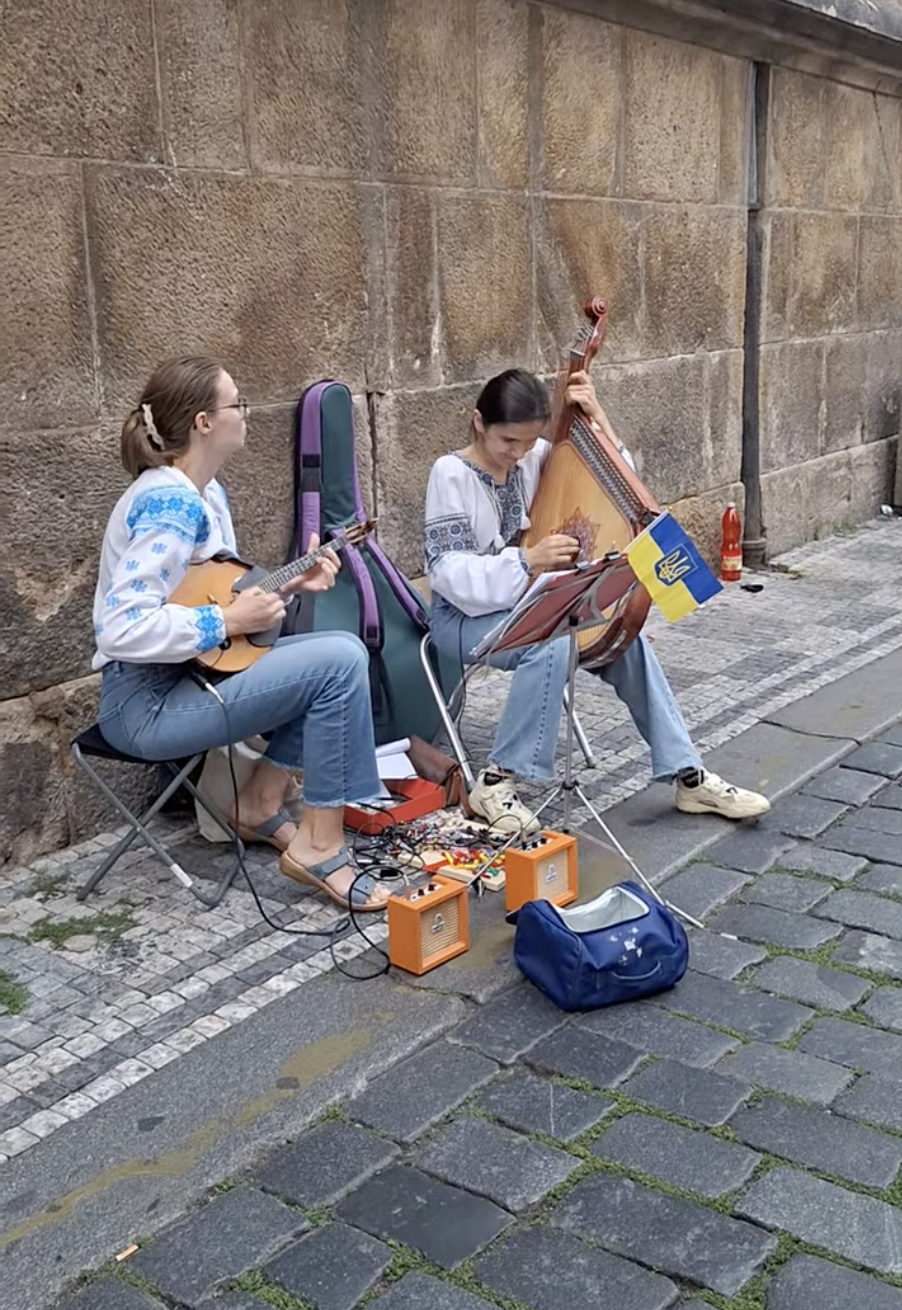
You’ll hear them often in the Old Town. A small reminder that Prague today is also a refuge — Czechia took in over 350,000 Ukrainian refugees after February 2022, the highest per-capita number in the EU.
Ratings: where to spend your time
All ratings are mine, honest, after four days in Prague. From 1 (skip it) to 10 (Prague isn’t Prague without it). I only rate what I actually saw — the day trips I still owe myself are in the next section.
🏰 Prague Castle — 10/10
The largest active castle complex in the world. Grounds are free; you only pay to go inside the buildings (combined ticket ~250 Kč). St. Vitus Cathedral with the Mucha window alone is worth the climb.
Hack: walk up via Nerudova street instead of the tram stop — it’s the prettiest approach — and skip the mobbed 12:00 Changing of the Guard for any other hourly one.
⛪ Old Town Square (Staroměstské náměstí) — 10/10
The square that divides people into those who’ve seen it and those who haven’t. The Orloj, the Týn Church, baroque St. Nicholas, the colored houses. No camera does it justice.
Hack: come at 7am. The tour groups arrive after 9:00. Until then it’s yours — fog, empty cobbles, one coffee in the corner café.
🌉 Charles Bridge — 9/10
A 1357 gothic masterpiece with 30 baroque statues. A must — but at noon it’s the crossroads of every tourist in Europe. At 6am or after 11pm it’s a 10. In the middle of the day, a 6.
🌿 Wallenstein Garden — 9/10
Prague’s best-kept free secret: a baroque garden with a grotto wall, a carp pond and peacocks on the lawns, behind a high wall below the Castle. Open April–October, free, and most tourists never find it.
🎨 David Černý sculpture walk — 8/10
The rotating Kafka Head, the Babies on the TV Tower, the peeing statues, the hanging Freud. Half a day, free, on the street — the most fun you can have with a map of Prague.
🏙 Vinohrady & Žižkov — 8/10
The real Prague where people actually live: Art Nouveau streets, half-price restaurants, the highest pub density in Europe. Skip these and you’ve only seen the museum-city.
🧭 Old Town side streets — 9/10
The most beautiful Prague is in the gaps between the famous spots — nameless pastel-baroque lanes, St. Gallus, Clam-Gallas Palace. Get lost on purpose.
🚢 Vltava cruise — 7/10
A 50-minute boat (~350 Kč / €14) gives you all three big bridges and the best angle on the Castle. Worth doing once; not essential.
🏛 Wenceslas Square — 7/10
Not a square but a 750 m boulevard, and the stage of every 20th-century Czech turning point. More history than beauty — walk it once for the story, not the views.
When to go: Prague by season
Go in spring or autumn (May / October) if:
- You want the city at its best — mild, gold-lit, walkable.
- You want the squares and the bridge without peak-season suffering.
Go in December if:
- You want the Christmas markets on Old Town and Wenceslas squares — “a separate civilization.”
- You don’t mind the cold (my own trip was four November days in the fog, and I’d repeat it).
Think twice about July–August:
- Prague in peak season is crowded and hot. If you can move the trip to May or October, do.
The one thing that stays true all year: the early-morning hack. Whatever the season, the city belongs to you before 9am.
What I’d do differently next time
- Take a day trip to Kutná Hora. The Sedlec Ossuary with 40,000 human skeletons — sounds horrifying, looks even more horrifying and beautiful. One hour by train from Prague.
- Rent a bike and ride along the Vltava. Cycle paths follow the river out of the city for tens of kilometres. Stunning.
- Try Sisters Bistro near Náplavka — local creative bakery-café chain that only Praguers know about.
- Come in December. The Christmas markets on Old Town Square and Wenceslas Square are a separate civilization.
- Avoid July–August. Prague in peak season is suffering. May or October — perfect.
Getting there
Prague is absurdly conveniently placed in Central Europe. You can reach it from any direction.
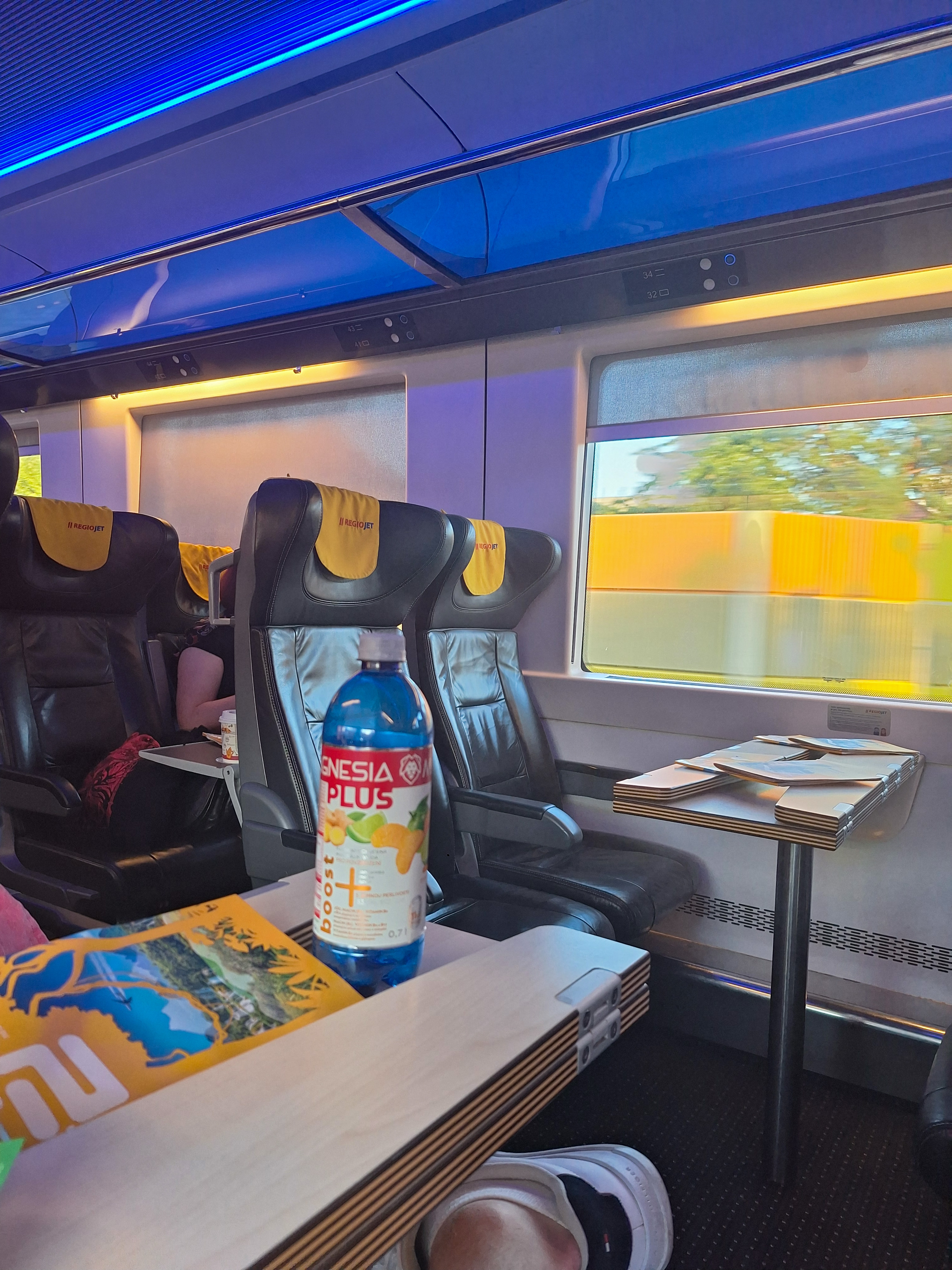
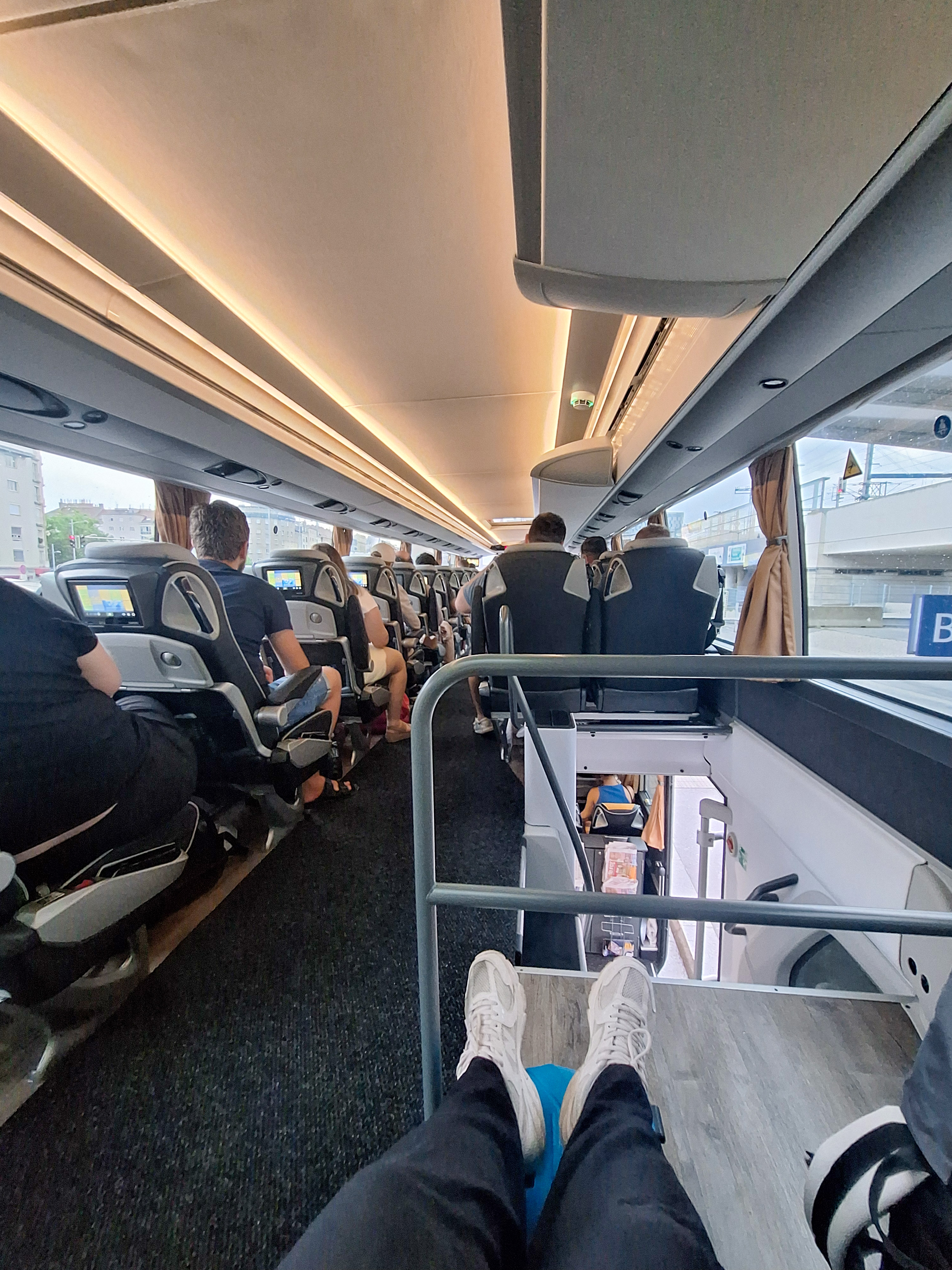
I’ve taken both RegioJet and Flixbus between Bratislava and Prague — and honestly, both are fine. Pick on price and time:
- From Bratislava: RegioJet train (from €15, 4h, with Wi-Fi and stewards) or Flixbus (from €10, 4–4.5h). I’ve done both, both work. RegioJet has the edge on comfort; Flixbus has the edge on price and on early-morning departures.
- From Vienna: Railjet train (from €15, 4h) or Flixbus (from €12). Ideal for a weekend trip.
- Flying from Vienna: 50 minutes in the air, but with transfers it’s 3–4 hours total. Only worth it if you’re flying further.
- Václav Havel Airport (Prague): bus №119 + metro line A to the centre (40 min, ~40 Kč) or the Airport Express to Hlavní nádraží (100 Kč, 35 min).
My tip: RegioJet first class is €3 more than second class and you get coffee, biscuits and newspapers on board. The best three euros you can spend. Book on regiojet.com directly, not through aggregators.
Your first step
Prague is a city that teaches you to pay attention to detail. To door carvings. To clocks on towers. To how light falls on an old stone façade at 4pm in October. To the taste of the first sip of beer after twenty minutes in the cold.
I arrived without a big plan. Without a must-see list. Just a backpack and four days. And that’s exactly why it was one of the best trips of my year.
You don’t have to know Czech. You don’t have to be ready for anything specific. You don’t need a fancy camera or the perfect outfit.
You only have to buy that ticket.
The rest is already waiting for you.
ISMO LADJO — small steps, long journey.
Prague is the perfect first city for anyone who thinks “I’m not ready to travel yet.” It’s close. It’s cheap. It’s safe. It’s beautiful.
Open RegioJet or Flixbus. Pick a date two weeks out. Press the button.
That’s your first small step.
Share this post
Some links on this page are affiliate links — I may earn a small commission at no extra cost to you.
Unforgettable experiences await in czech-republic
Local guides, skip-the-line tickets, and unique adventures you won't find on your own.