
Italy Without Filters: A Week Between Lido di Jesolo and Venice
Small steps to long journey. To travel, all you need is to take the first step. And if it feels scary — just take a few tiny ones.
I spent a long time trying to figure out how to start this post. Because when you come back from Italy, you don’t bring home a list of facts — you bring smells: espresso from a tiny gelateria at 7am, salt wind off the Adriatic, wet Venetian stone after a sudden rain. And one more thing — the feeling that you’ve finally exhaled.
Living in Bratislava, I sometimes forget that Italy is actually close. Six hours by car. A Flixbus from Hlavná stanica — and you’re already sipping cappuccino somewhere by the Adriatic. But for years I kept postponing this trip: “someday, later, when I have more time, when work slows down, when I finish the project”. Then one day I just bought the ticket. And I realized what everyone who has ever moved from one country to another probably already knows: the first step is always the hardest. Everything after is easier.
This is the philosophy ROOTAWAY was born from. Small steps to long journey. You don’t need a life plan — you need a step. Then another one.
Here’s what I learned in one week.
Lido di Jesolo: a sea that doesn’t storm
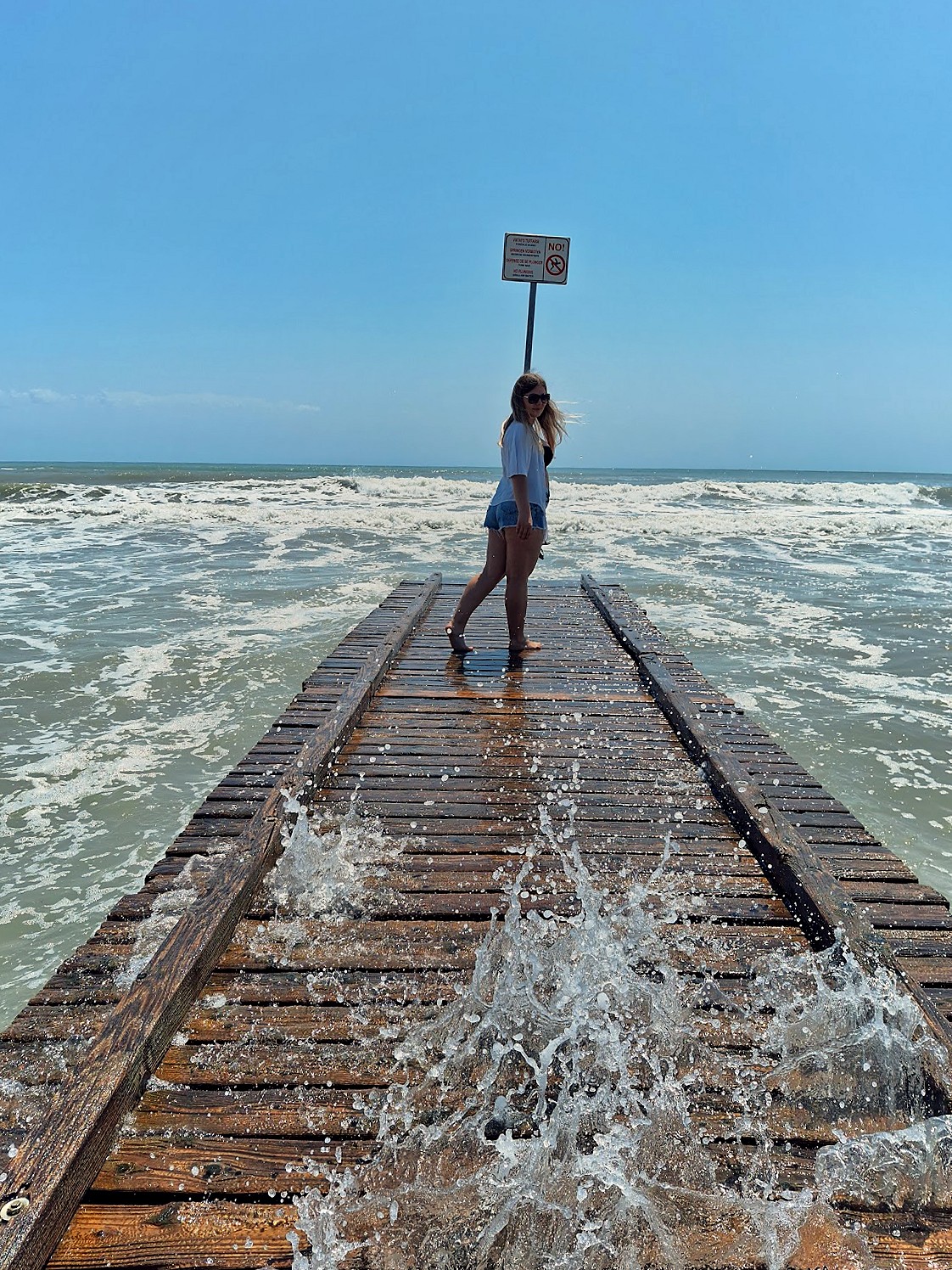
The first thing that struck me was the water. Not like Croatia or Mallorca, which I’m used to. The Adriatic here splashes softly, almost like a child. I later learned why: the resort is sheltered from the north by the Alps, so strong winds are almost nonexistent. In summer the water warms up to 25–27°C and stays calm all day.
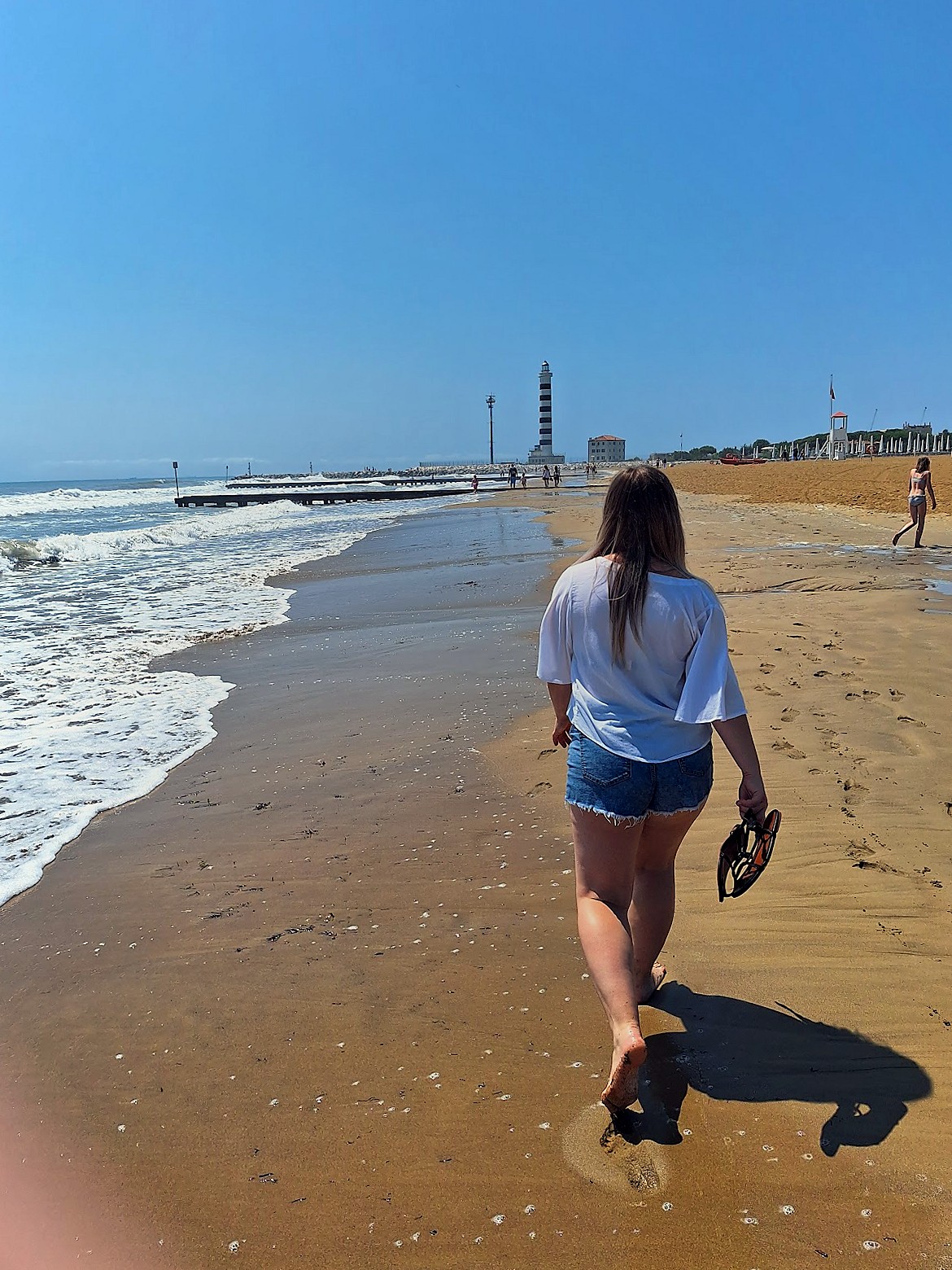
Fifteen kilometers of beach. Golden Dolomite sand — not the heavy yellow kind you sink into, but fine, almost like flour. The water slopes gently — you can walk out twenty meters before it reaches your waist. That’s why families with kids flock here.
But what really surprised me was Via Bafile. Fifteen kilometers of shops, restaurants, gelaterias, bars. The longest shopping street in Europe. By day — ordinary, with cars. But at 6pm it becomes pedestrian, and the entire resort comes out for passeggiata — the evening walk. This is not shopping, not entertainment. It’s a ritual. Italians dress up, grab a gelato cone, walk slowly, talk. I walked with them and for the first time in a year I realized I wasn’t in a hurry anywhere.
What I loved most
- A hotel that let you borrow a bike for free. Many hotels along the coast include bike rental in the room price — helmet and lock included.
- Breakfasts. Custard-filled croissants, fresh ricotta, real espresso for €1.20 (not €4 like in tourist Venice).
- Everything is close. From the bus station to my hotel — 10 minutes on foot. To the sea — 5 more. No taxis, no transfers.
What I didn’t expect
- Vendors walking the beach with bags, sunglasses, bracelets. A polite “no, thank you” — and they move on.
- Sunbeds you cannot rearrange. Each hotel owns its strip of beach and the rules are strict. I once tried to scoot mine closer to the water — and learned quickly not to.
- In the evening, bar areas get loud. If you want quiet — book away from Piazza Mazzini.
The bike day — my best day in Jesolo
If you come to Lido di Jesolo and don’t rent a bike, you haven’t seen Lido di Jesolo.
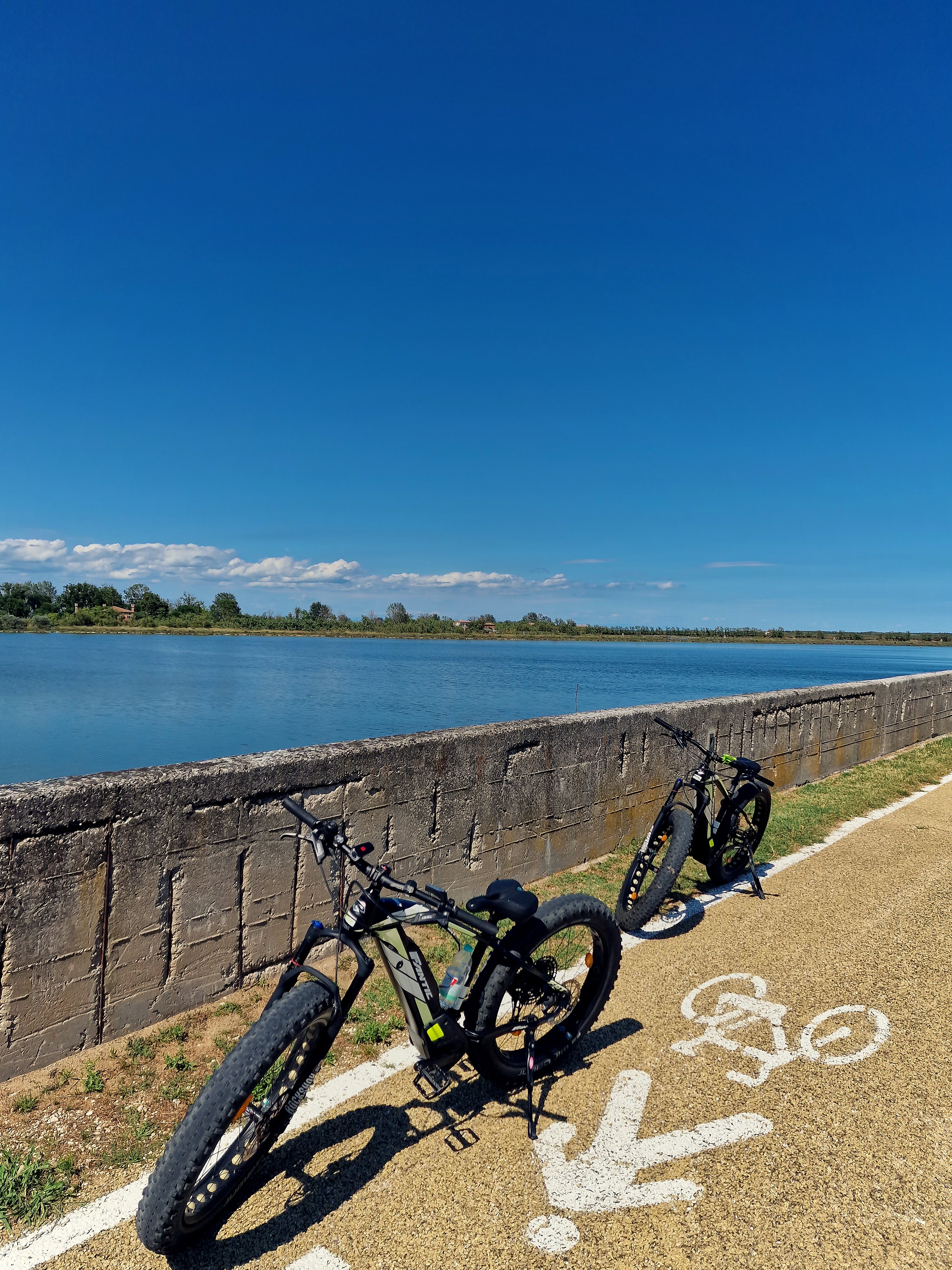
The resort is surrounded by 150 km of cycling paths split into six routes under the Jesolo Ambient Bike project. I grabbed a map at reception and rode along the Sile river. And that’s when it hit me: the best memories are always born from the smallest steps. Not from organized tours. Not from plans. I just got on a bike and went.
The route took me through the Pineta pine forest (cool even in heat), then along the lagoon, where herons stood knee-deep watching me like I was the strange one. I rode past an 11th-century Venetian tower — Torre del Caligo. Stopped in a tiny village, bought a prosciutto panino and sat on the bank. No tourists. Just a distant church bell and a bike leaning against a tree.
This is the moment I travel for.
What’s worth knowing:
- Hotels often provide bikes for free. Ask at reception.
- Rental shops like Out Bike Rent and Bike Lab start around €10/day.
- Family “flintstone” pedal carts for 4 people are a hit near Aqualandia if you’re traveling with kids.
- From Jesolo you can bike to Cavallino-Treporti, then take a 40-minute boat straight to Venice. That’s how locals do it.
Venice: a city that either stuns you instantly, or never opens up at all
I’d read countless conflicting reviews about Venice. “Overrated”, “crowded”, “smelly”, “fake”. And the opposite: “the most beautiful city in the world”, “magic”, “unmatched”.
Honest answer: both are true. It just depends on when and where you go.
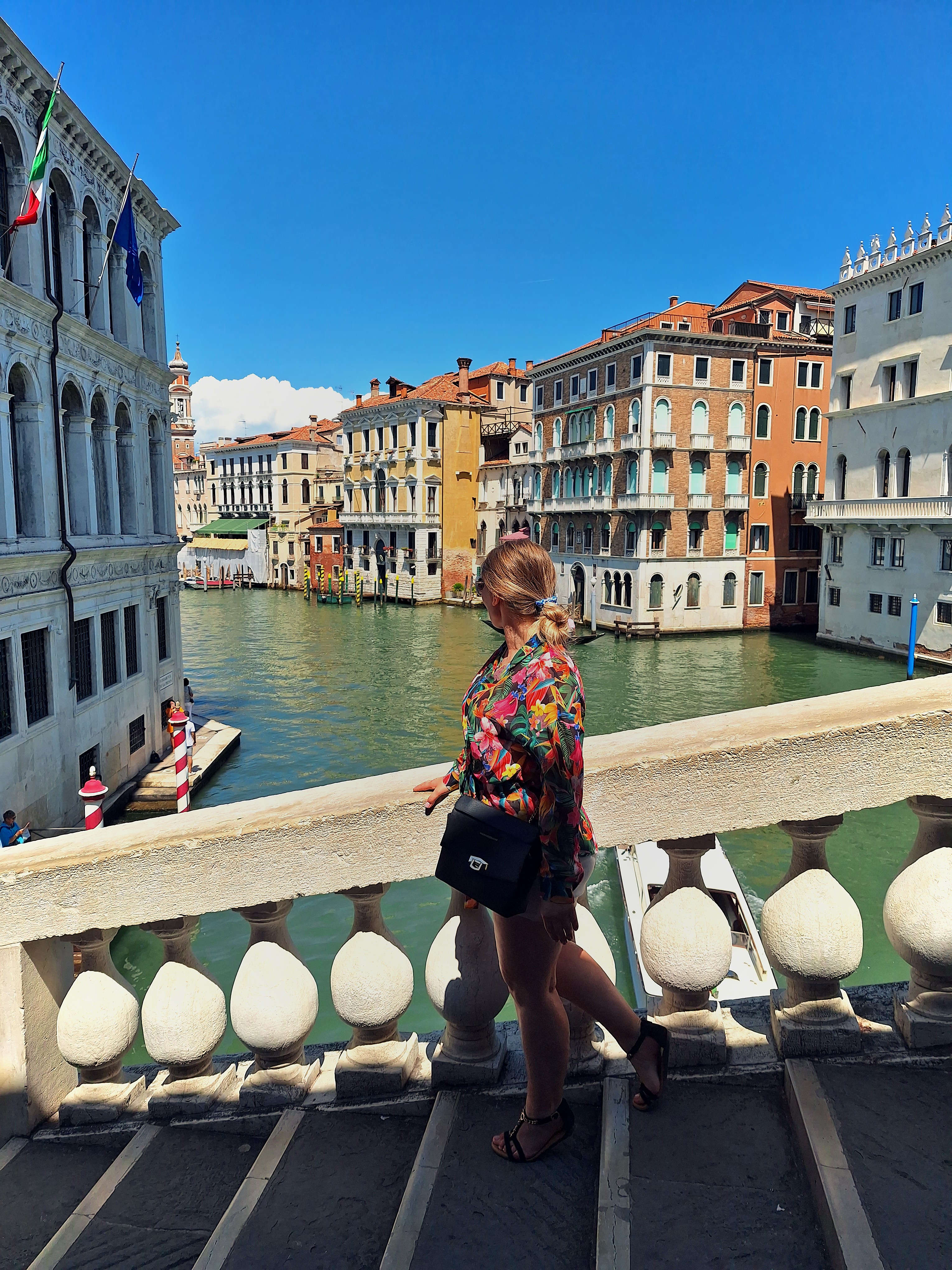
I arrived by vaporetto from Punta Sabbioni — the water bus from the Jesolo side, 40 minutes across the lagoon, €15. When it rounded San Marco and Palazzo Ducale appeared in front of me, I literally forgot how to breathe. No photo, no film prepares you for that moment.
Then I made a mistake — I walked straight onto St Mark’s Square at 11am. And I understood why everyone complains. Crowds, selfie sticks, people moving at the speed of the slowest grandma in the group.
How to save Venice for yourself
An Italian at a bar gave me the advice: “Walk away from San Marco. Venice starts where the guidebook map ends.”
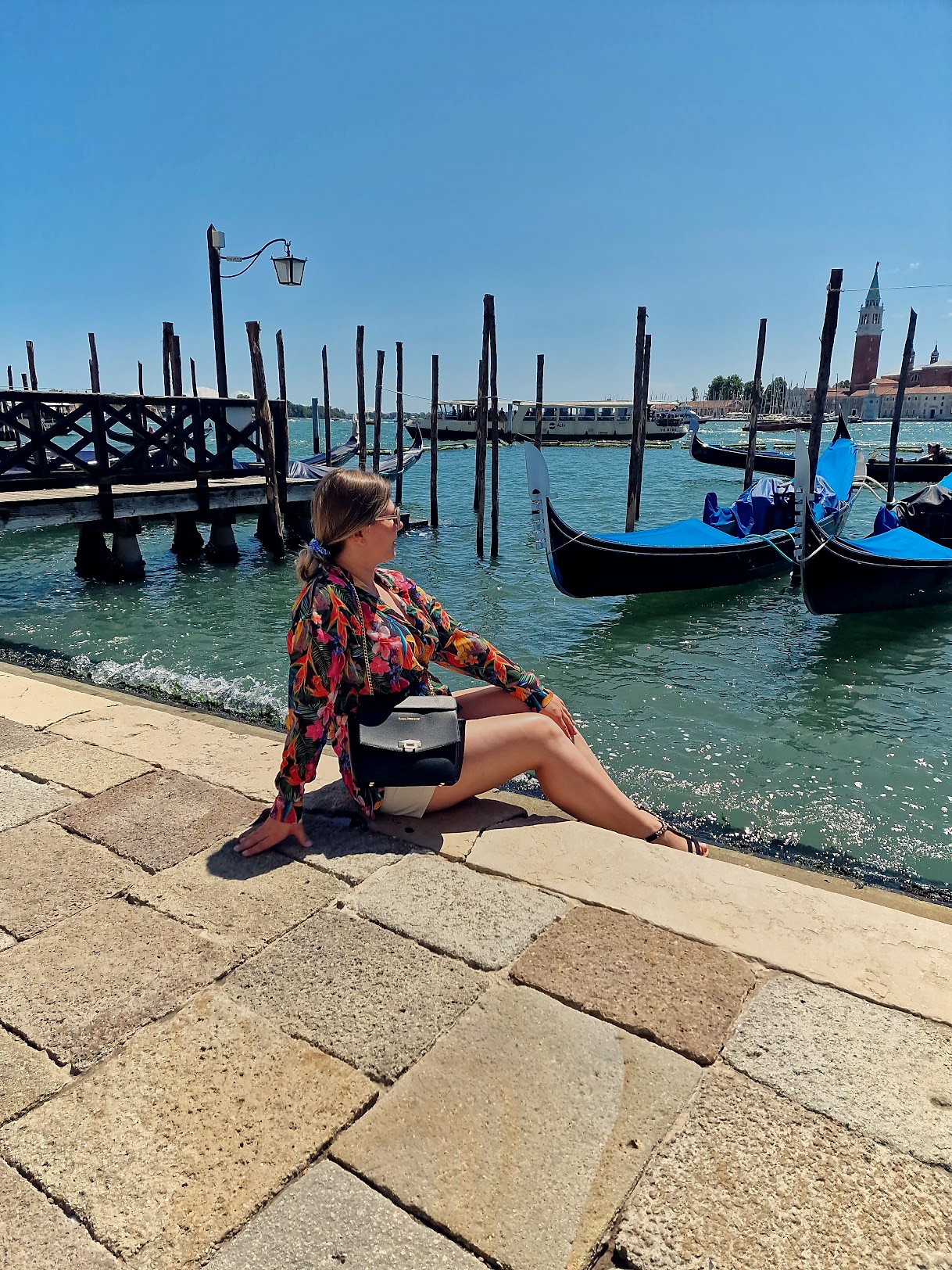
I listened. I turned left into Cannaregio. And suddenly — empty canals, an old woman watering geraniums on a windowsill, two schoolkids sitting on a bridge arguing in Italian. A tiny bacaro where a glass of wine is €2 and cicchetti (Venetian tapas) are €1.50 each. I sat on the canal edge eating a shrimp crostino and thought: this is Venice. The other one is just a set for tourists.
Hacks that actually work
- Coffee standing at the bar — €1.20. Coffee at a piazza table — €6+. Do as Italians do and drink your espresso standing. It’s a ritual, not just caffeine.
- Aperol Spritz in a bacaro — €3. Near San Marco — €12+. Same drink.
- Vaporetto instead of gondola. Gondola — €80+ for 30 minutes. Vaporetto down the Grand Canal — €9.50 for 75 minutes, same views.
- Come at 7am. Venice before the tourist cafés open is a ghost city full of mist and silence. It’s the best version of Venice.
- Go to Dorsoduro, Castello, Cannaregio. These are the neighborhoods where Venice is alive — with laundromats, kindergartens, and cafés for locals.
- The islands of Murano and Burano. The glass workshops of Murano and the insanely colorful houses of Burano are a lifetime memory. Vaporetto 12 from Fondamente Nove.
What surprised me
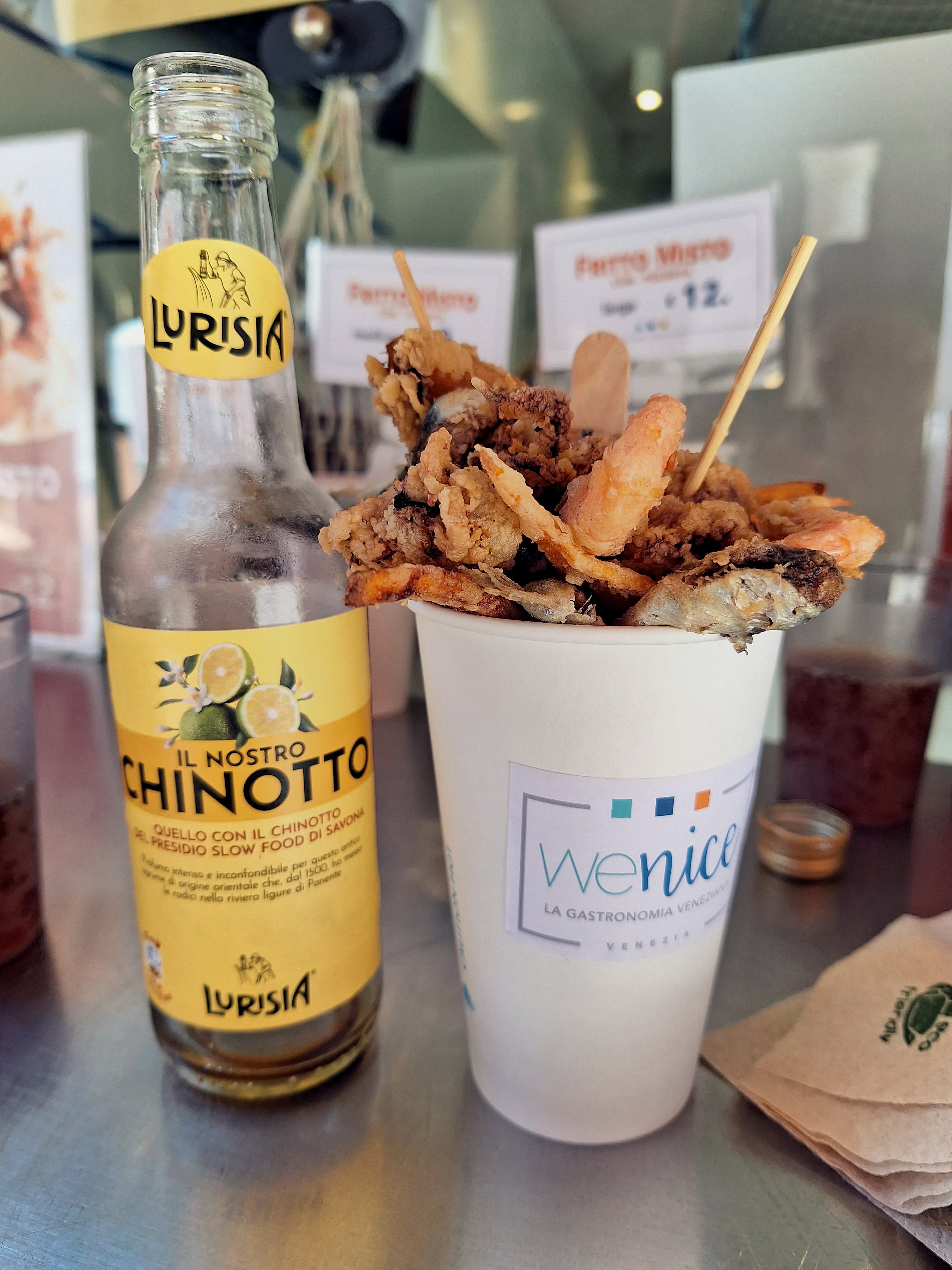
Venetian cuisine is not pasta with tomato or margherita pizza. It’s sarde in saor (sardines marinated in onion and vinegar), baccalà mantecato (creamy salt cod), risotto al nero di seppia (cuttlefish ink risotto). It’s sea, salt, and slightly strange. And incredible.
Italy without the gloss: the first-day shocks
I’d love to say everything was perfect. But Italy is not Disneyland. Here’s what you can expect:
Lunch break 12:30–3:30pm. Small shops and restaurants close. If you’re hungry at 2pm and didn’t make it by 12:30 — it’s bar panini and wait until 7pm.
Dinner at 7pm = you’re a tourist. Italians eat between 8:30 and 10pm. If you walk into a proper restaurant at 7pm, it’ll be empty and the waiter will smile “here comes another one”.
Cappuccino after 11am = you’re a tourist. Seriously. Italians drink cappuccino only at breakfast. After lunch it’s espresso, macchiato, ristretto. I had a cappuccino at 3pm and the waiter looked at me like an alien.
Public toilets are their own philosophy. Small, often paid (€1 coin), sometimes without a seat, sometimes without paper. Keep change and tissues in your bag.
You have to ask for the bill. The waiter won’t bring “il conto” on their own — it’s rude to rush guests out. The gesture: mime writing in the air. Tipping isn’t required, there’s already a coperto (€2–5) on the bill. If you really liked it — €1–2 on the table.
Drivers in Rome and Naples drive like it’s Mario Kart. The north is calmer.
Italians: the biggest surprise of the trip
I expected Italians to be loud, passionate, a bit chaotic. All true. But I didn’t expect them to be this genuine.
These are people who don’t do small talk out of politeness. If they talk to you — they’re actually curious. Once I was in line at a tiny bakery and the old woman in front of me, without turning around, started telling me that today’s croissants came out prettier than yesterday’s. We talked for ten minutes. I understood half of it, she didn’t speak English. But somehow we understood each other.
Italians greet everyone — “Buongiorno” when you enter a shop, a restaurant, an elevator, a toilet queue. Not greeting is rude. Try “buongiorno”, “grazie”, “per favore” — and doors open.
“Piano piano” isn’t just a phrase. It’s a way of life. Slowly-slowly. No one is in a hurry. Lunch takes at least an hour and a half. No waiter will nudge you. At first it’s maddening. Then you realize that ten days without hurrying give you back a piece of yourself you had lost somewhere in Bratislava between client calls.
Getting there from Bratislava
I know a lot of people in Bratislava dream of Italy but think “it’s far, expensive, complicated”. It’s not.
Option 1: fly. Ryanair and Wizz Air fly from Vienna (Schwechat — 50 km away) to Venice Marco Polo. Book a month out and it’s around €40 return. From Marco Polo to Jesolo — a direct ATVO bus (€10, 1 hour). From the airport into Venice — Alilaguna water bus (€15), which is basically a sightseeing tour in itself.
Option 2: Flixbus. Bratislava → Venice. Night route, ~8 hours, from €25. You arrive in Mestre in the morning, then 10 minutes by train to Santa Lucia.
Option 3: car. 6 hours through Austria (Vienna — Graz — Udine — Venice). Tolls apply, but the Alpine stretch is gorgeous.
Small steps, long journey
By day three I was already recharged. By day seven — I’d found a rhythm I wanted to live by.
Italy teaches you not to rush. Taste your gelato slowly. Sit over coffee for an hour. Listen to the church bells. Watch the light shift on the water.
It’s an expensive lesson in a world measured in productivity. But if you don’t buy it in Bratislava, you’ll pay for it later — with sick days, burnout, silence.
Your first step
When I came back, I made a list of where I want to go next. Cinque Terre. Florence. Sicily. The Dolomites in winter. Italy alone holds enough for ten lifetimes.
But here’s the thing: if I hadn’t bought that first Flixbus ticket, that list wouldn’t exist.
Your dream of traveling — it’s real. It doesn’t require quitting your job, saving €5,000, or learning fluent Italian. It requires one ticket. One morning when you just say “I’m going” and press the button.
It might be Lido di Jesolo for a weekend. It might be Vienna for a day. It might be Prague. It doesn’t matter. What matters is that you take the first small step.
After that — everything else follows on its own.
ROOTAWAY — Small steps to long journey.
We built this brand for the people who want to travel but don’t know where to start. For the ones thinking “I’ll finish the project first, and then…”.
Start with a small step. Check flights for next week. Pick one place on the map you’ve always wanted to see. Book a hotel for two nights.
The rest — happens on its own.
Share this post