
How I Plan My Trips: A Practical Guide
I’ve been asked many times how I plan my trips. Over the years, I’ve developed a system that balances thorough preparation with enough flexibility for spontaneous discoveries. Here’s my complete process.
Phase 1: Dreaming (2-6 Months Before)
Every trip starts with inspiration. I keep a running list of destinations that catch my eye — from travel blogs, Instagram posts, documentaries, or conversations with other travelers. When it’s time to plan, I look at my list and consider:
- Season: What’s the weather and tourist season like?
- Budget: How much can I realistically spend?
- Duration: How many days can I take?
- Energy: Am I looking for adventure or relaxation?
Phase 2: Research (1-3 Months Before)
Once I’ve chosen a destination, I dive into research. My go-to resources:
- Google Maps: I “walk” the streets virtually and pin places that interest me
- YouTube: Watching vlogs gives you a real feel for what a place is like
- Local blogs: English-language blogs by expats living in the destination are gold
- Reddit: City-specific subreddits have honest, up-to-date recommendations
I create a simple spreadsheet with columns: Place, Category (food/culture/nature), Priority (must-do/nice-to-have), Practical Notes (hours, cost, booking needed).
Phase 3: Booking (1-2 Months Before)
I book in this order:
- Flights — I use comparison sites and set price alerts
- Accommodation — Central location is worth paying extra for
- Must-do activities — Any attractions that need advance booking
Everything else stays flexible.
Phase 4: Preparing (1-2 Weeks Before)
- Download offline maps for the area
- Learn 10-20 basic phrases in the local language
- Check visa requirements and travel advisories
- Pack light — I’ve never regretted bringing less
My Travel Backpack
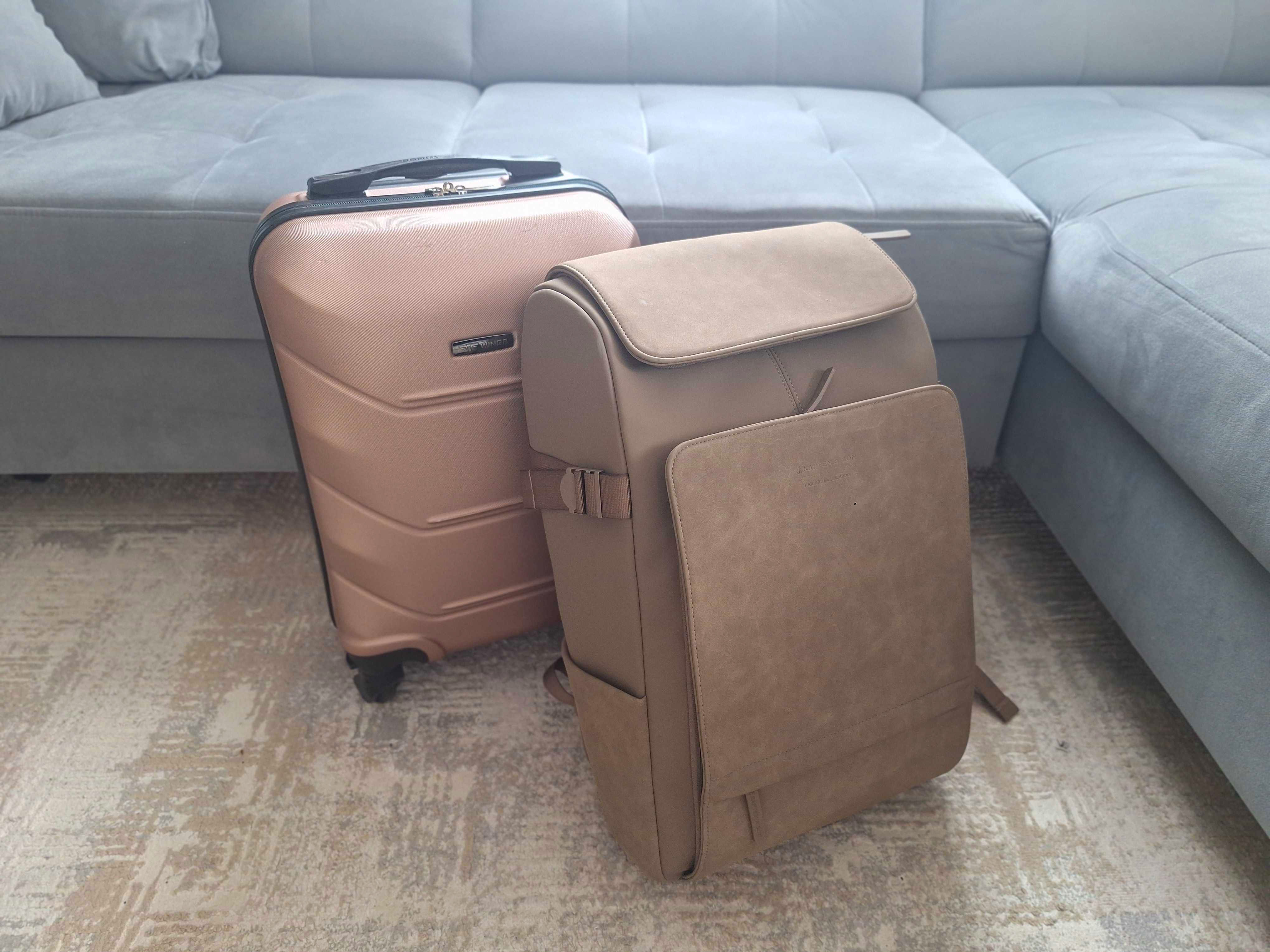
After years of testing different bags, the one I always reach for is the Kapten & Son Bali Medium in Walnut. Here’s why it has become my go-to for almost every trip:
- The right volume. Spacious enough for a full week of travel, but never bulky. I can fit clothes, toiletries, a laptop, and small extras without overpacking.
- Carry-on friendly. It fits within hand-luggage limits, so I skip the check-in queue every time.
- No wheels, no hassle. Unlike a rolling suitcase, nothing drags behind me on cobblestones, stairs, or crowded platforms — both hands stay free.
- Perfect on trains. Slides easily under the seat or onto a luggage rack, and I can grab anything I need without standing up.
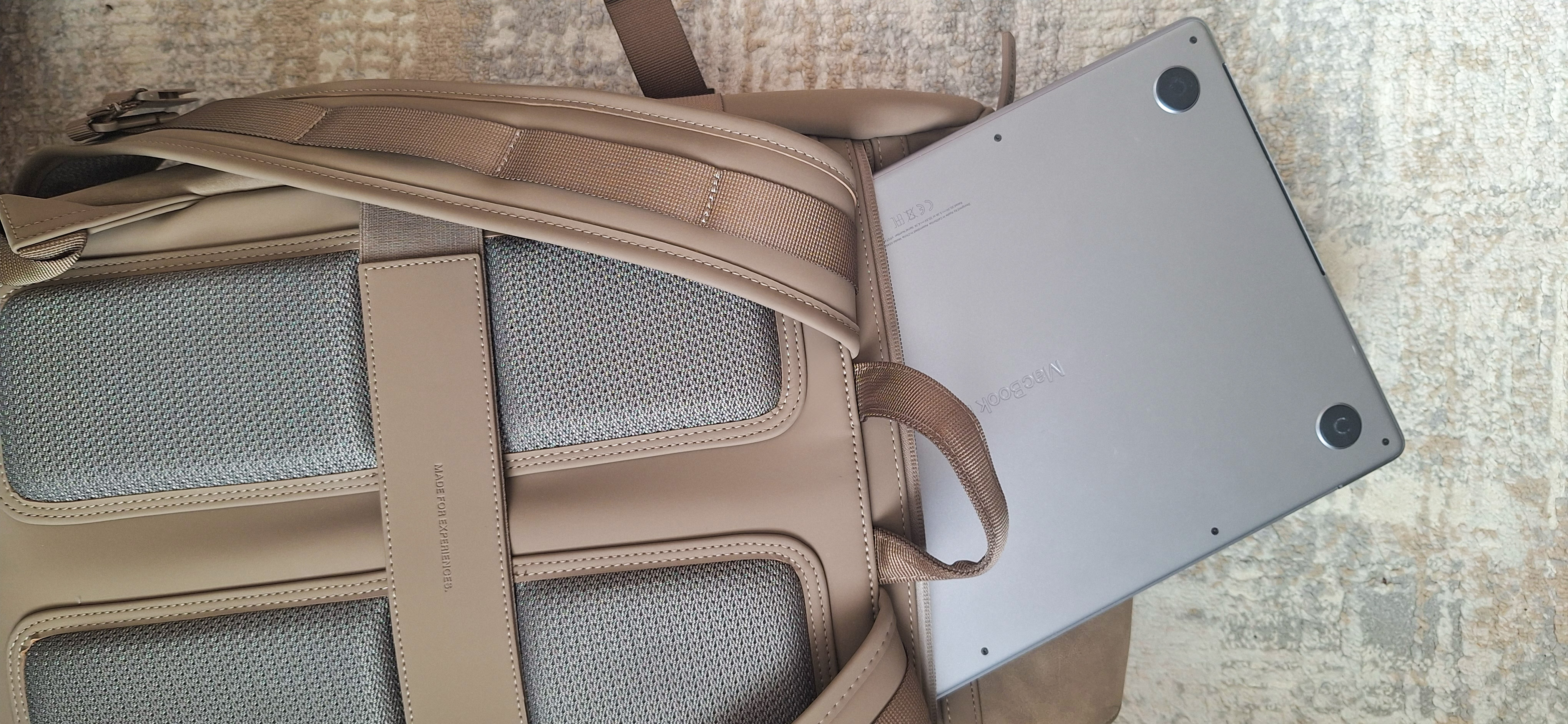
- Structured, ergonomic back. The firm back panel keeps the bag’s shape, distributes weight evenly, and stays comfortable even on long walking days.
- Safe for a laptop. A padded interior compartment keeps my laptop secure — important when I’m working on the road.
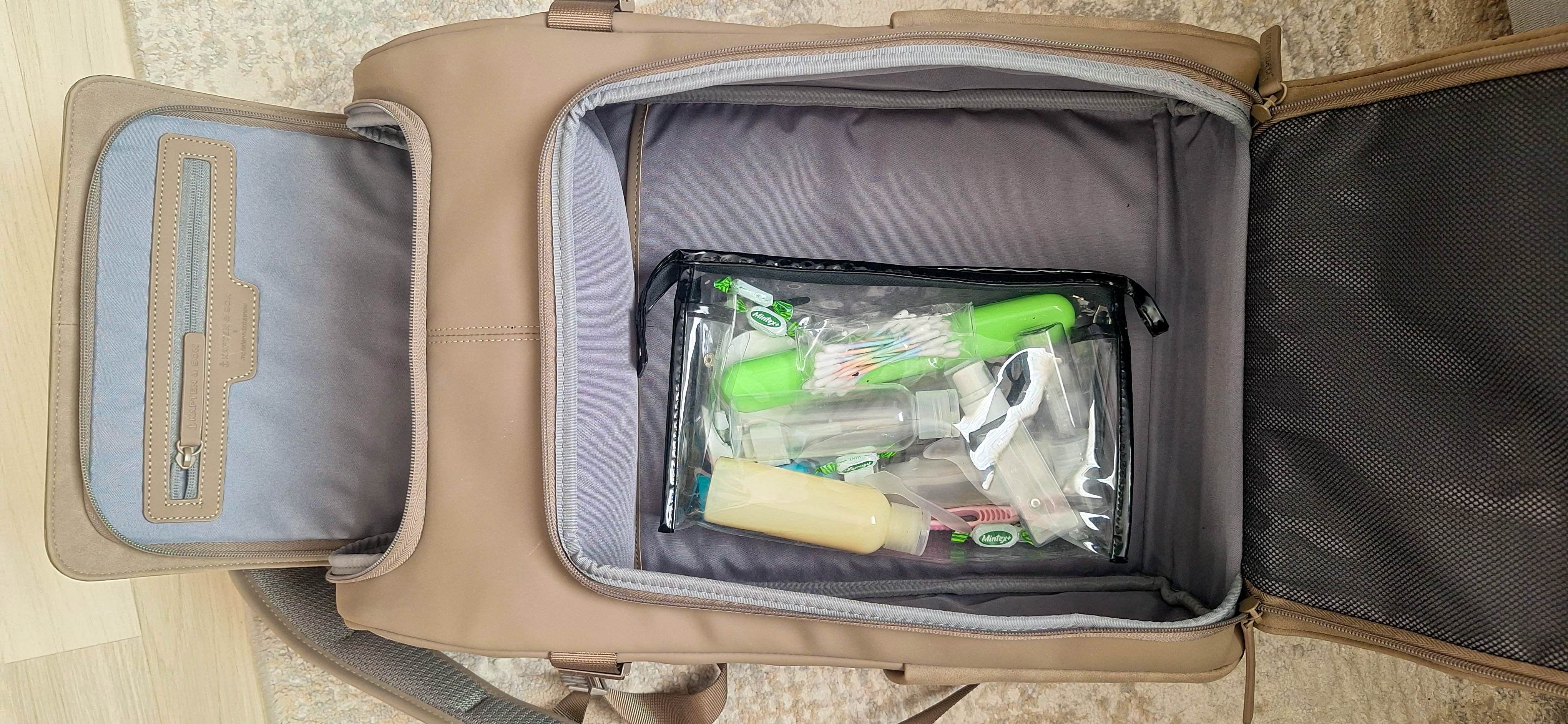
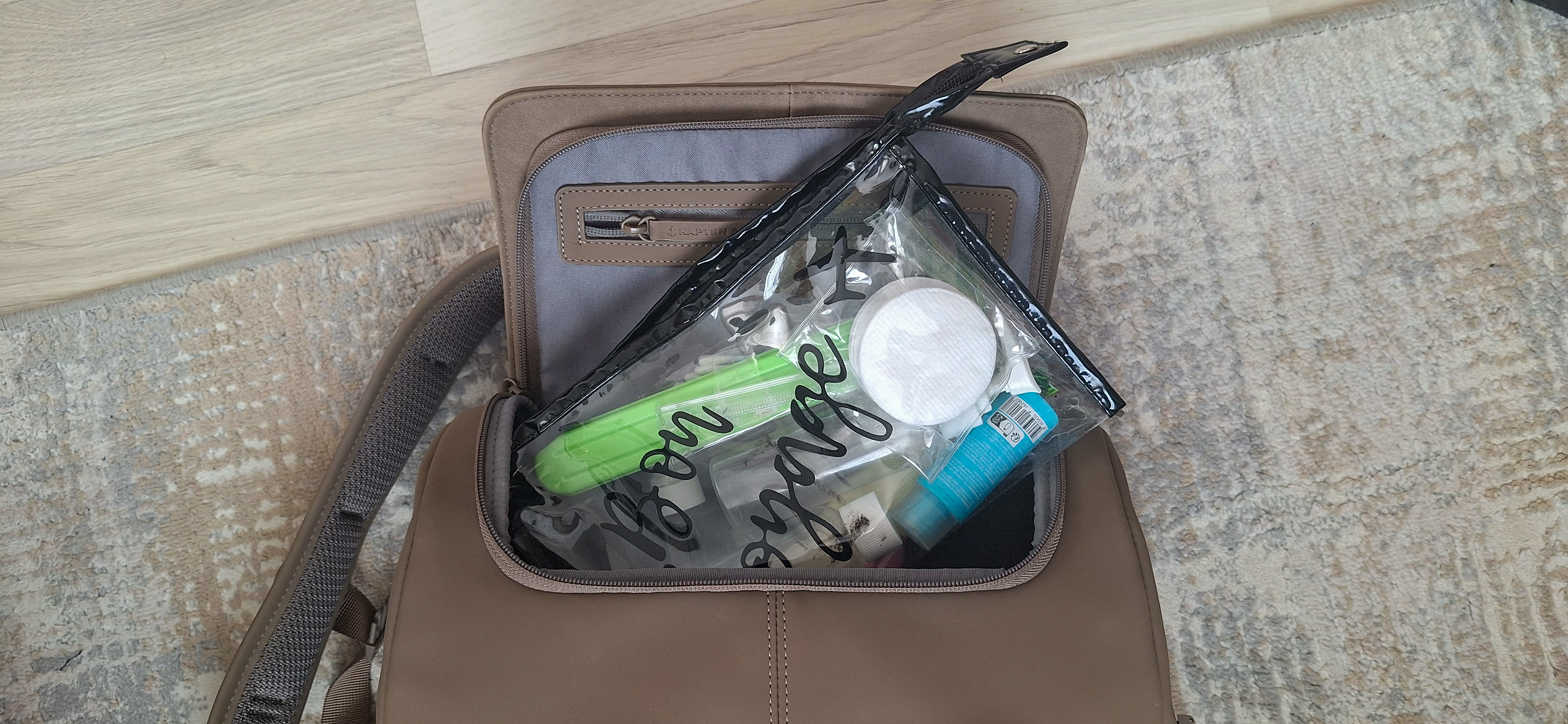
- Smart organization. Small inner pockets for passport, cards, and documents, plus a separate compartment for cosmetics or anything I want to reach quickly.
If you’re building a capsule travel kit, this is the one piece I genuinely recommend.
The Most Important Rule
Leave room for spontaneity. The best travel experiences are often unplanned — a restaurant a stranger recommends, a side street that beckons, a local festival you stumble upon. Plan enough to feel prepared, but not so much that there’s no room for surprise.
Share this post
Some links on this page are affiliate links — I may earn a small commission at no extra cost to you.
Unforgettable experiences await in your next destination
Local guides, skip-the-line tickets, and unique adventures you won't find on your own.