
Trinidad
Trinidad, Sancti Spiritus Province, Cuba
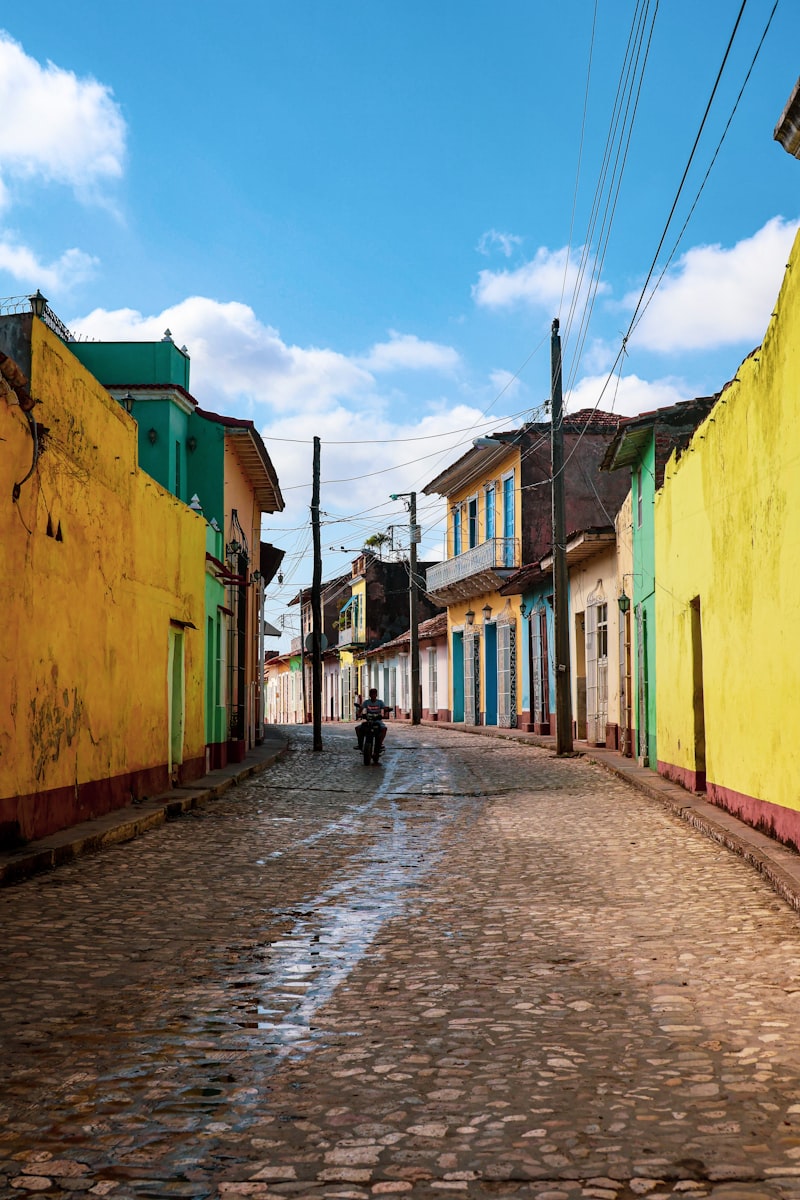
Open in Google Maps →Frozen in the amber of a bygone century, Trinidad is Cuba’s best-preserved colonial town and a UNESCO World Heritage Site that feels like stepping into a living museum of 18th and 19th-century Caribbean architecture. Founded by Spanish conquistadors in 1514, the city grew wealthy on the sugar trade and the labor of enslaved Africans, and the grand mansions built by sugar barons still line the pastel-painted cobblestone streets, their tall wooden shutters thrown open to catch the breeze. The Plaza Mayor, a palm-shaded square surrounded by elegant buildings in shades of lemon, turquoise, and coral, is the heart of the old town, overlooked by the bell tower of the former Convento de San Francisco, which offers sweeping views across terracotta rooftops to the Escambray Mountains rising behind the city.
What elevates Trinidad beyond a picturesque time capsule is its extraordinary live music scene. Every evening, the Casa de la Musica — an open-air venue on a grand staircase beside a ruined church — comes alive with salsa, son, and rumba performed by some of Cuba’s finest musicians, while locals and visitors dance together under the stars until the small hours. The surrounding streets fill with the sounds of acoustic trios, and tiny casa particular bars serve mojitos mixed from fresh-pressed sugarcane. By day, the nearby Valle de los Ingenios (Valley of the Sugar Mills), another UNESCO site, and the waterfalls of Topes de Collantes natural park offer excursions into lush countryside.
Pro tip: Climb the bell tower of the Museo de la Lucha Contra Bandidos (the old convent) at sunset for the best panoramic photograph of Trinidad. For a truly local experience, ask your casa particular host to recommend a paladar (private restaurant) on a back street rather than eating on the Plaza — the food will be better and the prices far lower.