
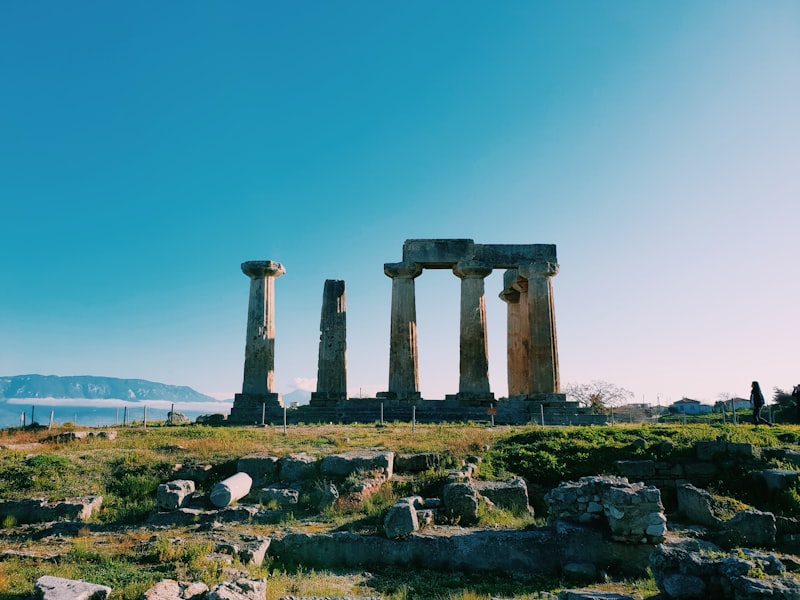
Delphi Archaeological Site
Delphi 330 54, Phocis, Greece
Open in Google Maps →Perched on the slopes of Mount Parnassus above a valley of olive trees stretching to the Gulf of Corinth, Delphi was considered the center of the world by the ancient Greeks. For over a thousand years, pilgrims, kings, and generals traveled here to consult the Oracle, the Pythia, a priestess who sat upon a tripod over a fissure in the earth and delivered cryptic prophecies believed to come from Apollo himself. The Sacred Way winds uphill past the treasuries built by rival city-states to house their offerings, leading to the magnificent Temple of Apollo where the Oracle delivered her pronouncements, and continues up to the well-preserved ancient theater with seating for 5,000 spectators.
The setting is as powerful as the ruins. The site occupies a natural amphitheater in the mountainside, with sheer cliffs rising behind and dramatic views plunging into the valley below. Above the main sanctuary, the ancient stadium where the Pythian Games were held still retains its stone seating and starting blocks. The Delphi Archaeological Museum, located at the site, houses extraordinary finds including the famous Bronze Charioteer, one of the finest surviving examples of ancient Greek sculpture, and the Sphinx of Naxos that once perched atop a ten-meter column.
Pro tip: Visit the museum first to understand what you are about to see, as the outdoor site has minimal signage. Allow at least three hours for both the museum and the archaeological site. The modern village of Delphi, just a short walk away, offers excellent tavernas with terrace views over the valley and is a far more pleasant lunch option than the tourist cafeterias near the entrance.